

Boxing and Mixed Martial Arts (MMA) are two of the most exciting and competitive combat sports in the world. Both sports require incredible physical fitness, discipline, skill, strategy, and mental strength. Although boxing focuses primarily on punches, MMA combines techniques from several martial arts, including striking, wrestling, grappling, and submissions.
Millions of fans around the world follow boxing and MMA events, watching athletes compete for championships, recognition, and a place in combat sports history. From major title fights to rising young competitors, the world of combat sports continues to attract new audiences every year.
What Makes Boxing So Popular?
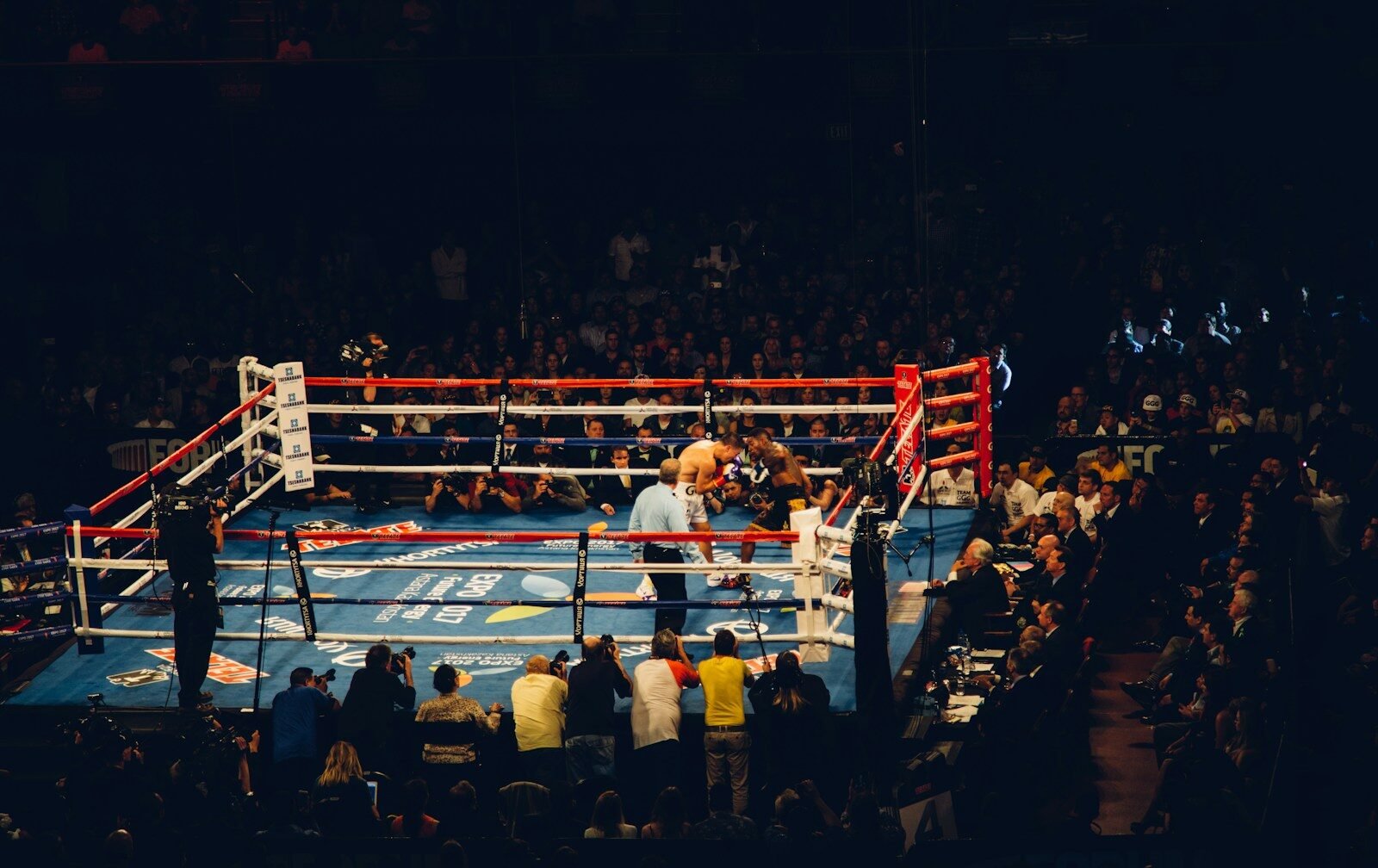
Boxing is one of the oldest organized combat sports. Two competitors enter a ring and use controlled punches to score points or attempt to win by knockout. Fighters are divided into weight classes so that competitors can face opponents of relatively similar size.
One of the biggest attractions of boxing is its simplicity. Although the basic concept is straightforward, becoming an elite boxer requires years of training. Fighters must develop footwork, timing, defensive movement, punching accuracy, speed, endurance, and tactical awareness.
A professional boxing match can change in seconds. One accurate punch can completely alter the direction of a fight, which keeps fans watching until the final bell.
The Growing Popularity of MMA
MMA has become one of the fastest-growing combat sports in the world. Unlike traditional boxing, MMA allows athletes to use multiple fighting techniques under a specific set of rules.
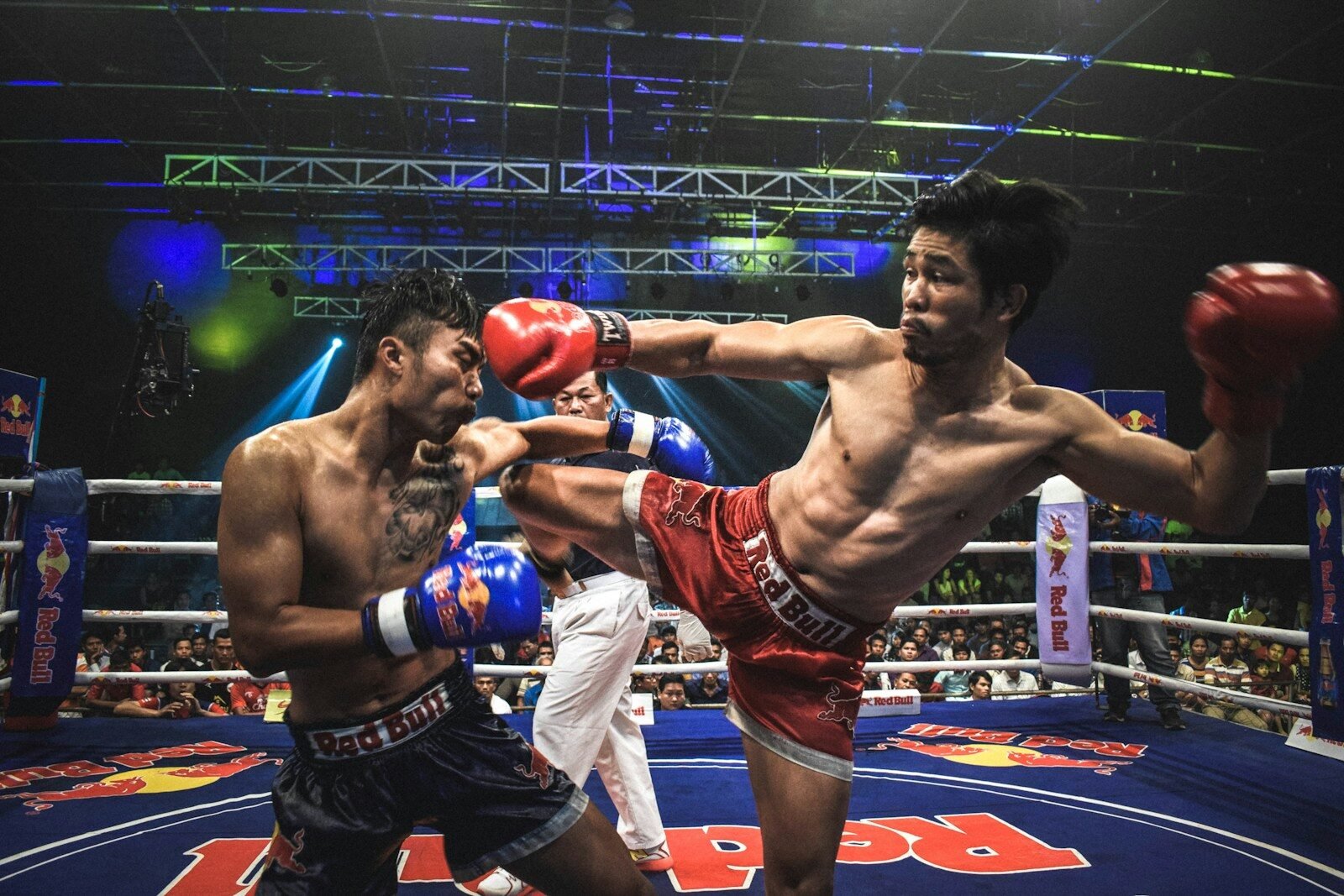
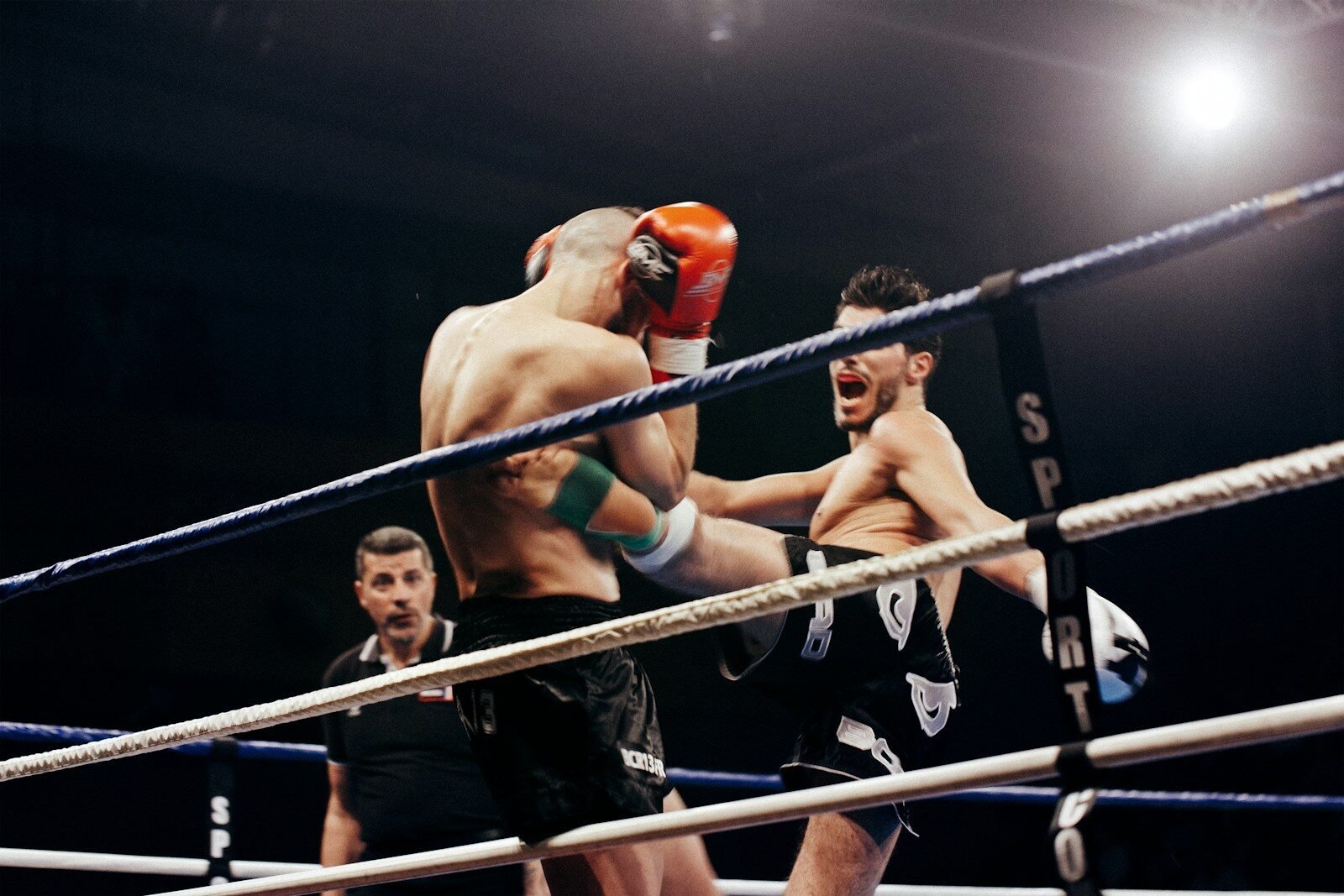
An MMA fighter may use punches, kicks, knees, takedowns, wrestling, ground control, and submission techniques. This creates a unique style of competition where fighters must be prepared for both standing exchanges and action on the ground.
Successful MMA athletes often train in several disciplines. They may practice boxing for their hands, Muay Thai for striking, wrestling for takedowns, Brazilian jiu-jitsu for submissions, and strength and conditioning for physical preparation.
The combination of different fighting styles makes MMA unpredictable and highly entertaining.
Boxing vs. MMA
Boxing and MMA share several similarities, but they are also very different sports.
Boxing mainly focuses on punching, defensive movement, and ring positioning. Fighters spend years developing combinations, counters, head movement, and footwork.
MMA requires a much broader skill set. Competitors need to understand striking as well as takedowns, wrestling, grappling, and submissions. An MMA fight can move between different positions within seconds.
Both sports require exceptional conditioning and discipline. However, the training methods and strategies can be very different.
For fans, the choice often comes down to personal preference. Some enjoy the technical precision of boxing, while others prefer the variety and unpredictability of MMA.
The Importance of Training
Elite combat sports athletes spend countless hours preparing before entering competition. Training usually includes technical practice, physical conditioning, sparring, strength exercises, and recovery.
Boxers may spend significant time working on combinations, defensive drills, heavy bags, speed bags, footwork, and controlled sparring.
MMA fighters typically divide their training between several disciplines. They may practice striking, wrestling, takedowns, grappling, and submission techniques during different sessions.
Conditioning is equally important. Fighters need enough stamina to maintain their performance throughout a match. Strength, speed, balance, flexibility, and recovery can all contribute to better performance.
The Role of Strategy
Physical ability alone is not enough to become a successful combat sports athlete. Strategy can play a major role in determining the outcome of a fight.
A boxer may study an opponent’s movement and identify weaknesses in their defense. A fighter might use combinations to create openings or deliberately change the pace of a match.
MMA fighters also need to understand how their opponent reacts to different situations. A fighter who is excellent at wrestling may attempt to take the match to the ground, while a strong striker may prefer to keep the fight standing.
Coaches and training teams help athletes develop game plans based on their opponents’ strengths and weaknesses.
Weight Classes and Fair Competition
Weight classes are an important part of both boxing and MMA. They help create fairer matchups by limiting significant differences in body size.
Before professional fights, athletes usually go through an official weigh-in. Fighters must meet the required weight limit for their division.
Weight management can be challenging for athletes, especially when they are preparing for important competitions. Professional fighters generally work with coaches and qualified professionals to manage training, nutrition, and recovery safely.
The Mental Side of Combat Sports
Combat sports are physically demanding, but the mental side is equally important. Fighters must remain calm under pressure and make decisions while facing an opponent who is actively trying to defeat them.
Confidence can help an athlete perform at their best, but overconfidence can create problems. Successful fighters often combine confidence with preparation, discipline, and respect for their opponents.
Mental preparation may include visualization, goal setting, controlled breathing, and developing routines that help athletes remain focused before competition.
The Importance of Coaches
Behind many successful fighters is a dedicated coaching team. Coaches help athletes improve technique, develop strategies, analyze opponents, and prepare for competition.
A good coach understands the strengths and weaknesses of an athlete and creates training plans accordingly. Coaches may also work with strength and conditioning specialists, nutrition professionals, and other members of a fighter’s support team.
The relationship between a fighter and their coach can have a major influence on long-term development.
Safety in Boxing and MMA
Safety is an important consideration in every combat sport. Boxing and MMA organizations use rules, referees, medical professionals, protective equipment during training, and other measures to reduce unnecessary risks.
Fighters also need appropriate rest and recovery. Training through excessive fatigue or ignoring injuries can negatively affect performance and health.
Proper supervision during training is important as well. Athletes should learn techniques gradually and practice with partners who understand controlled training.
Fans and the Future of Combat Sports
Combat sports have developed a massive global fan base. Social media, streaming platforms, sports websites, and online communities allow fans to follow fighters and events more closely than ever before.
Fans can watch interviews, training videos, fight analysis, press conferences, and post-fight discussions. This has helped create stronger connections between athletes and audiences.
Young fighters are also entering combat sports with increasingly diverse backgrounds. As training methods continue to improve, athletes are becoming more versatile and technically skilled.
The future of boxing and MMA is likely to remain exciting as new competitors challenge established champions and introduce different styles to the sport.
Why Boxing & MMA Matter to Sports Fans
Boxing and MMA offer something unique compared with many other sports. Individual athletes are directly responsible for their performance inside the competition area. Their preparation, strategy, courage, and ability to adapt are tested in real time.
For fans, this creates dramatic moments that can become memorable parts of sports history. A perfectly timed combination, a surprising comeback, or a technically brilliant performance can be remembered for years.
Both sports also demonstrate the importance of discipline and perseverance. Fighters often spend years developing their skills before receiving an opportunity to compete at the highest level.
Conclusion
Boxing and MMA continue to be major parts of the global sports landscape. While boxing focuses primarily on the art of punching, MMA combines multiple combat disciplines to create a broader form of competition.
Both sports demand physical fitness, technical ability, strategic thinking, mental toughness, and dedication. From experienced champions to promising newcomers, fighters continue to push themselves in pursuit of success.
For sports fans, Boxing & MMA provide an exciting combination of skill, strategy, competition, and unforgettable moments. As new athletes emerge and the sports continue to evolve, combat sports are likely to remain a major source of entertainment for audiences around the world.







Leave a Reply