
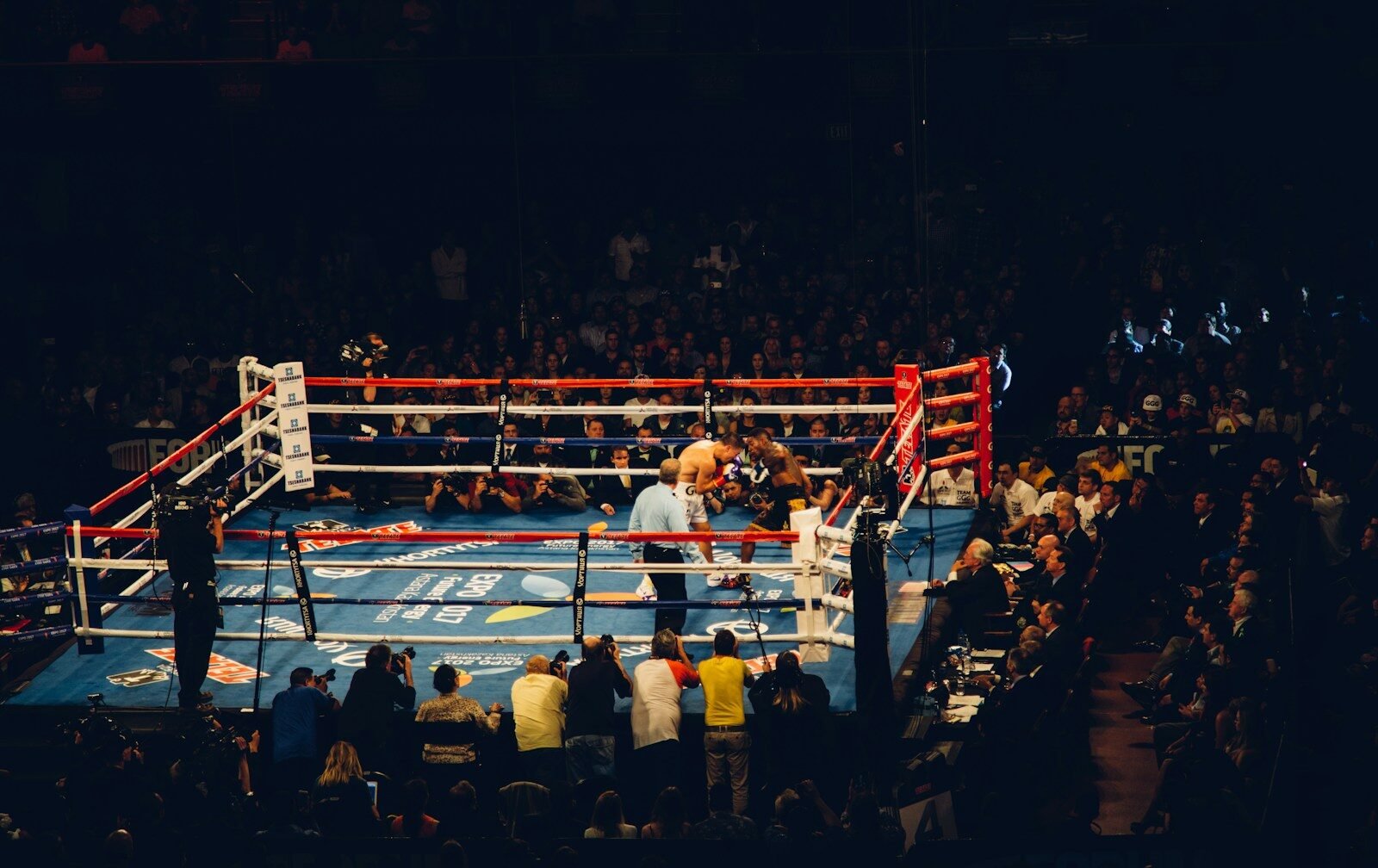
Boxing and Mixed Martial Arts (MMA) have become two of the most exciting and widely followed combat sports in the world. From professional championship fights to local gyms, these sports attract athletes and fans who appreciate skill, discipline, courage, and competition. While boxing focuses primarily on punches, MMA combines several fighting disciplines, including striking, wrestling, and grappling. Understanding the differences between these sports can help beginners choose the right training style while also helping fans appreciate what happens inside the ring or cage.
What Is Boxing?
Boxing is one of the oldest organized combat sports. Two opponents compete using punches while following specific rules designed to create a fair and structured contest. Fighters develop skills such as the jab, cross, hook, uppercut, footwork, blocking, slipping, and counterpunching.
A successful boxer needs much more than punching power. Speed, timing, balance, stamina, defense, and ring intelligence are equally important. A fighter who can control distance and anticipate an opponent’s movements can often outperform someone who simply relies on strength.
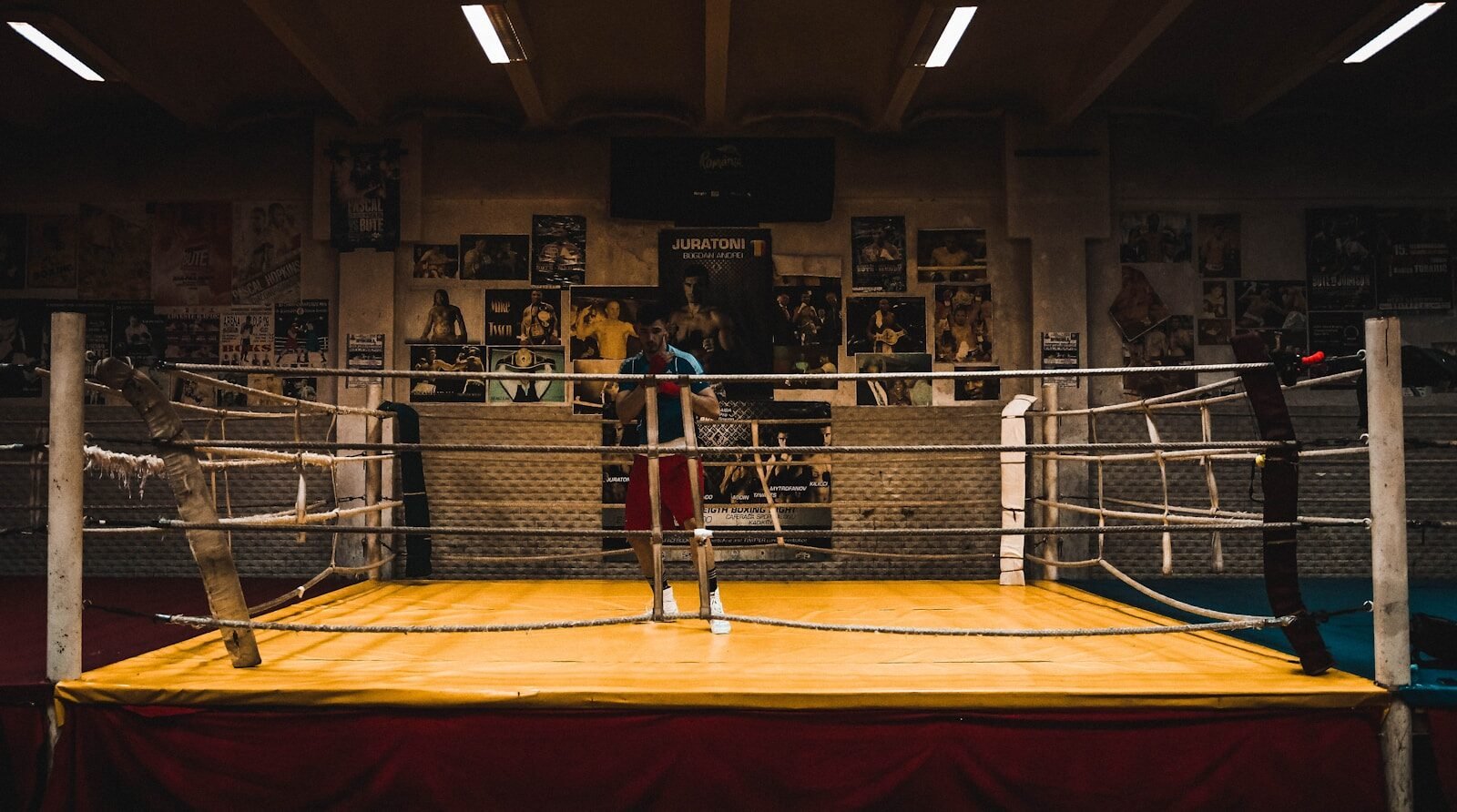
Boxing training usually includes skipping rope, shadowboxing, heavy-bag work, focus-mitt drills, conditioning exercises, technical practice, and eventually controlled sparring. Modern boxing training also places considerable emphasis on physical conditioning and injury prevention.
What Is MMA?
Mixed Martial Arts, commonly called MMA, combines techniques from multiple combat sports. Depending on the rules and fighter’s style, MMA can involve boxing, kickboxing, Muay Thai, wrestling, Brazilian Jiu-Jitsu, judo, and other disciplines.
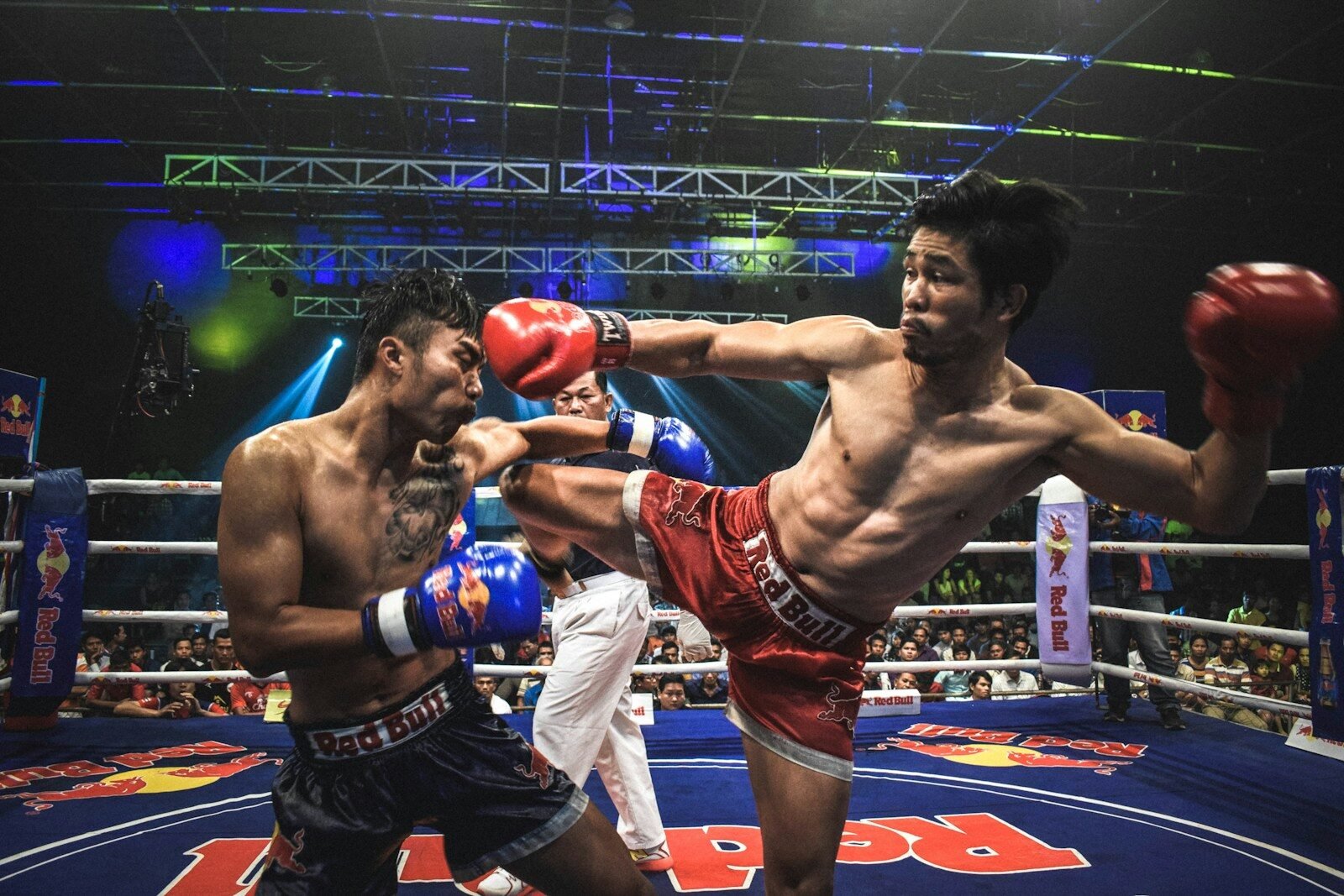
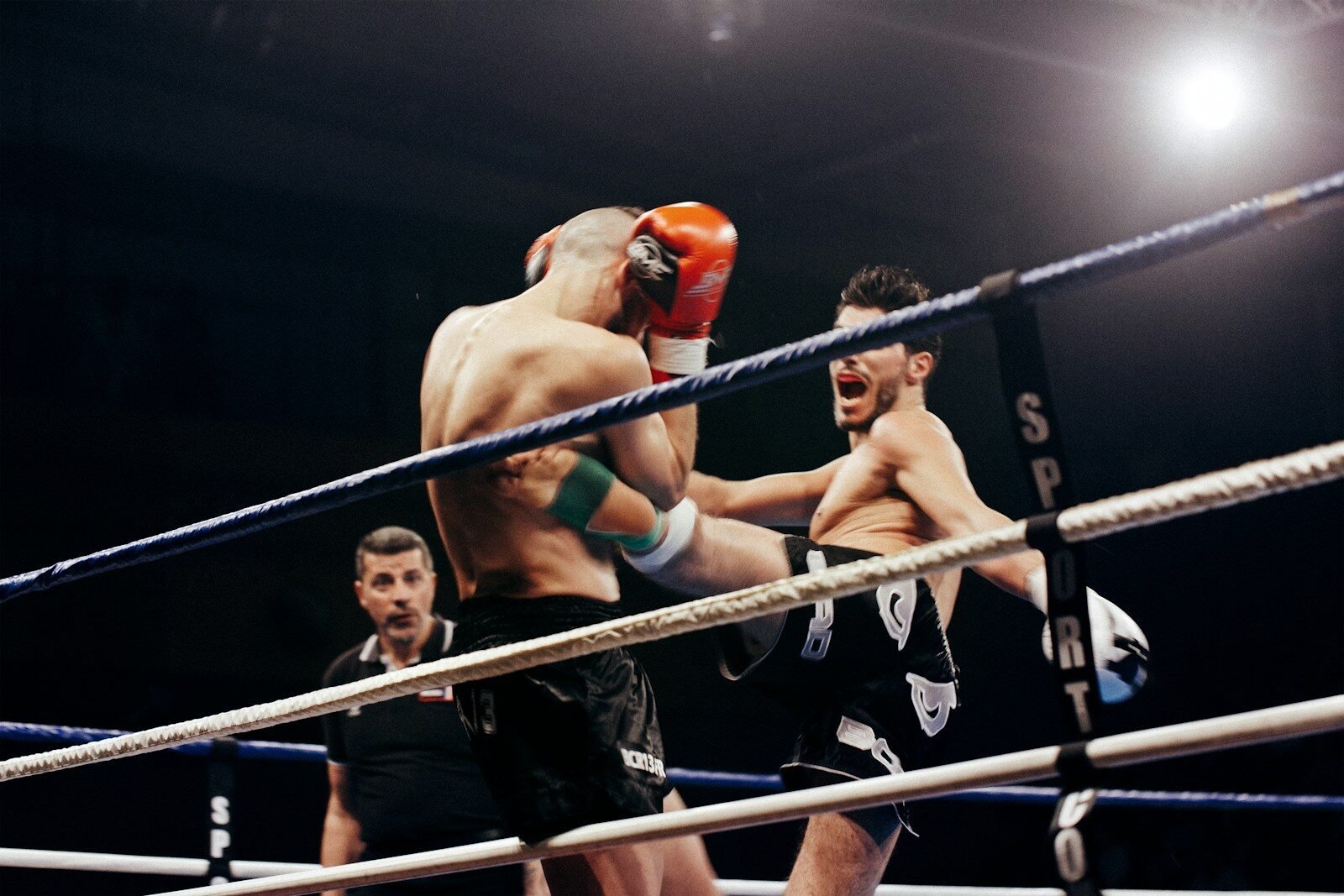
Unlike boxing, MMA fighters can use punches, kicks, knees, and certain other strikes while also taking an opponent down and attempting to control or submit them on the ground. This makes MMA a much broader technical discipline.
An MMA athlete therefore needs to understand both striking and grappling. A fighter might begin an exchange with punches, defend a takedown, use wrestling against the cage, and then attempt a submission on the ground. This variety is one of the main reasons MMA has developed such a large global fan base.
Boxing vs. MMA: Key Differences
The biggest difference between boxing and MMA is the range of techniques permitted.
Boxing concentrates on punching, movement, defense, and ring positioning. MMA covers a much wider range of skills, including punches, kicks, takedowns, clinching, ground control, and submissions.
This also changes the training experience. A beginner in boxing can focus almost entirely on improving punching and movement. An MMA beginner must divide training time among several disciplines. As a result, MMA generally has a broader learning curve, while boxing allows athletes to specialize more deeply in striking.
Neither sport is automatically better. The right choice depends on the athlete’s goals, interests, fitness level, and access to quality coaching.
Fitness Benefits of Boxing and MMA
Both sports provide demanding full-body workouts. Boxing training can improve cardiovascular endurance, coordination, balance, footwork, core strength, and upper-body endurance. Repeated combinations and movement require athletes to maintain technique even when they become tired.
MMA training adds wrestling and grappling, which can place significant demands on the legs, back, core, shoulders, and overall body strength. Combat-sports conditioning commonly focuses on strength, power, endurance, and the ability to maintain technique under fatigue.
For people who dislike repetitive gym workouts, combat sports can also make exercise more engaging. Training sessions often involve different drills and challenges, keeping athletes mentally involved as well as physically active.
Essential Equipment for Beginners
Beginners do not need to purchase every piece of professional equipment immediately. For boxing, basic equipment usually includes boxing gloves, hand wraps, suitable training clothing, and a mouthguard for contact training. Boxing shoes can also help with movement and stability.
MMA athletes may need additional equipment because training involves both striking and grappling. Depending on the gym, this can include MMA gloves, boxing gloves, shin protection, a mouthguard, athletic shorts, and protective training equipment.
Equipment should fit properly and be maintained regularly. A quality pair of gloves and properly applied hand wraps can make training more comfortable and help protect the hands.
The Importance of Coaching and Safety
Good coaching is one of the most important parts of combat-sports training. Beginners should learn correct technique before attempting hard sparring. Training should progress gradually rather than being based on trying to prove toughness.
Protective equipment, proper warm-ups, controlled sparring, rest, and communication between training partners are important parts of a responsible gym environment. Athletes should also listen to their bodies and avoid training through serious pain or injury.
Sparring should be treated as a learning exercise rather than a competition between teammates. A technical and controlled approach allows athletes to improve skills while reducing unnecessary risks.
Boxing and MMA in Pakistan
Combat sports continue to attract interest in Pakistan, with boxing having a longer institutional history and MMA gaining popularity among younger athletes. Boxing has been part of Pakistan’s international sporting story for decades, while MMA gyms and training programs have expanded in major cities.
Pakistan also has a strong connection to sports manufacturing, particularly through Sialkot, which has a long-standing reputation for producing sporting equipment. This creates opportunities for athletes, gyms, manufacturers, coaches, and sports-content creators.
For Pakistani beginners, the best starting point is usually a reputable gym with experienced coaches and a structured training program. The availability of boxing and MMA programs can vary by city, so checking the coach’s qualifications, training environment, and safety practices is important.
Professional Combat Sports in 2026
The professional combat-sports industry continues to evolve. Boxing and MMA organizations are increasingly experimenting with new event formats, media partnerships, athlete-development programs, and international expansion.
One notable development in 2026 was the announced merger between Most Valuable Promotions and the Professional Fighters League, creating a broader global combat-sports platform combining boxing and MMA activities. The deal is intended to expand athlete opportunities, media exposure, and the commercial reach of combat sports.
These developments show that combat sports are no longer limited to traditional television broadcasts. Streaming services, social media, podcasts, short-form video, and digital communities now play major roles in how fans discover fighters and follow events.
Why Fans Love Boxing and MMA
The popularity of boxing and MMA comes from more than physical competition. Every fight tells a story. Fighters may spend years developing their skills before receiving an opportunity to compete at a major event.
Fans enjoy watching different styles collide. A powerful puncher may face a defensive counterpuncher in boxing, while an MMA striker may compete against a wrestler with a completely different strategy.
The unpredictability is another major attraction. A fight can change within seconds, which creates excitement for spectators. At the same time, knowledgeable fans can appreciate the technical details behind every movement, combination, takedown, and defensive decision.
How Beginners Can Get Started
Anyone interested in boxing or MMA should begin with fundamentals. Choose a reputable gym, attend introductory classes, and focus on learning rather than immediately competing.
Consistency is more valuable than trying to train intensely for a few days and then stopping. Beginners should gradually develop conditioning, technique, flexibility, coordination, and confidence.
It is also useful to decide what you actually want from training. Someone interested mainly in punching technique may prefer boxing. Someone who wants to explore striking and grappling together may find MMA more suitable.
Final Thoughts
Boxing and MMA represent two different but highly demanding approaches to combat sports. Boxing offers deep specialization in punching, footwork, defense, and ring strategy, while MMA provides a broader skill set that combines striking with wrestling and grappling.
For athletes, both sports can build discipline, fitness, confidence, coordination, and mental toughness. For fans, they provide fascinating competition and countless styles to study.
At SportsNewsNBA, our Boxing & MMA coverage can help readers stay connected with the world of combat sports, understand training fundamentals, explore major developments, and appreciate the athletes who dedicate years to mastering their craft. Whether you are a longtime fight fan or someone considering your first training session, boxing and MMA offer a fascinating world of skill, strategy, discipline, and competition.


Leave a Reply