
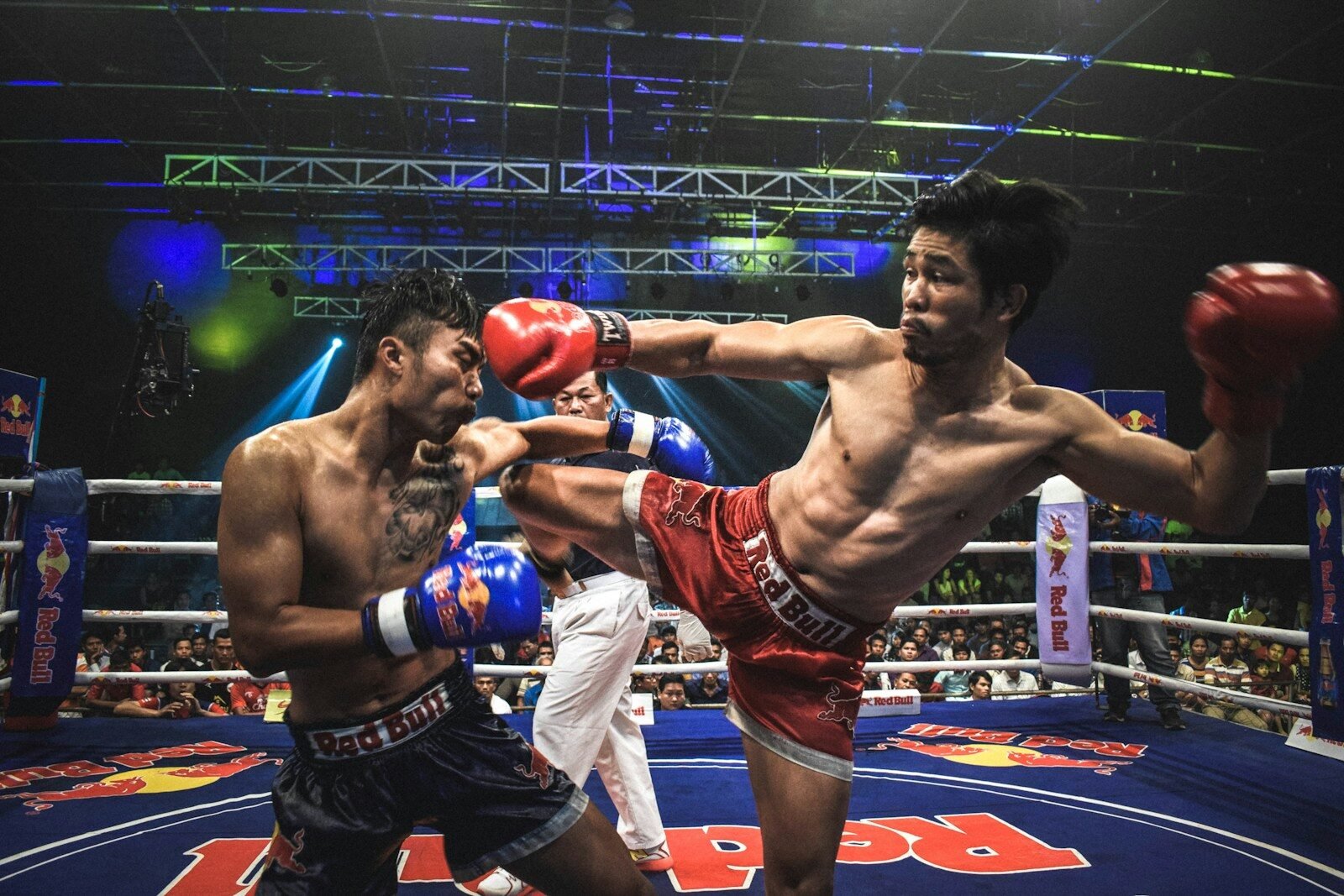
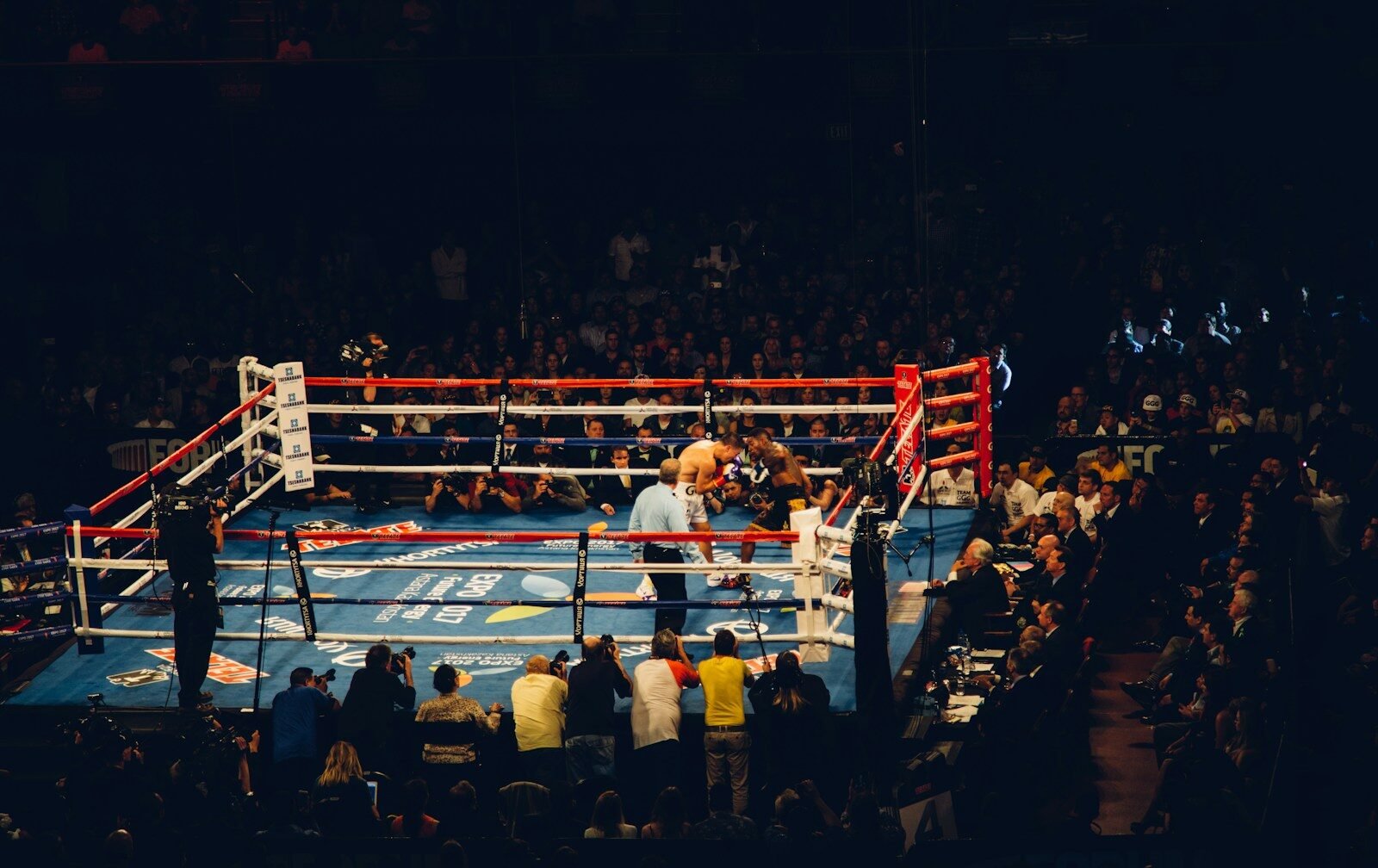
Boxing and Mixed Martial Arts (MMA) are two of the most demanding and exciting combat sports in the world. Millions of fans follow professional fighters, major events, championship battles, rising prospects, and dramatic rivalries every year. Although boxing and MMA share some similarities, they are built around different rules and require different skill sets.
Boxing focuses primarily on punches, footwork, defense, timing, and ring strategy. MMA combines several fighting disciplines, allowing athletes to use striking, wrestling, grappling, and submissions. Both sports require years of training and a strong commitment to physical and mental development.
For anyone interested in combat sports, learning how these disciplines work provides a deeper appreciation of what fighters accomplish inside the ring or cage.
What Makes Boxing Special?
Boxing may appear simple because fighters mainly use their hands, but mastering the sport is extremely difficult. A boxer must understand distance, timing, angles, movement, defense, and combinations.
The jab is one of the most important punches in boxing. It can be used to control distance, interrupt an opponent’s rhythm, create openings, and set up stronger punches.
The cross, hook, and uppercut are also important weapons. Experienced boxers rarely throw punches randomly. Instead, they use combinations designed to make opponents react in predictable ways.
Defense is equally important. Fighters use footwork, blocks, slips, rolls, and parries to avoid or reduce incoming punches.
Why MMA Requires Multiple Skills
MMA is different because athletes must prepare for several phases of fighting. A competitor may have to exchange punches and kicks at distance, defend a takedown, fight against the cage, or compete on the ground.
This makes MMA training extremely diverse.
An MMA fighter may spend one session improving boxing combinations, another practicing wrestling, and another developing Brazilian Jiu-Jitsu techniques. Kickboxing and Muay Thai can also contribute to striking development.
The best MMA fighters understand how these skills connect. They do not simply train individual techniques; they learn how to transition from one area to another.
Striking Techniques
Striking is an important part of both sports.
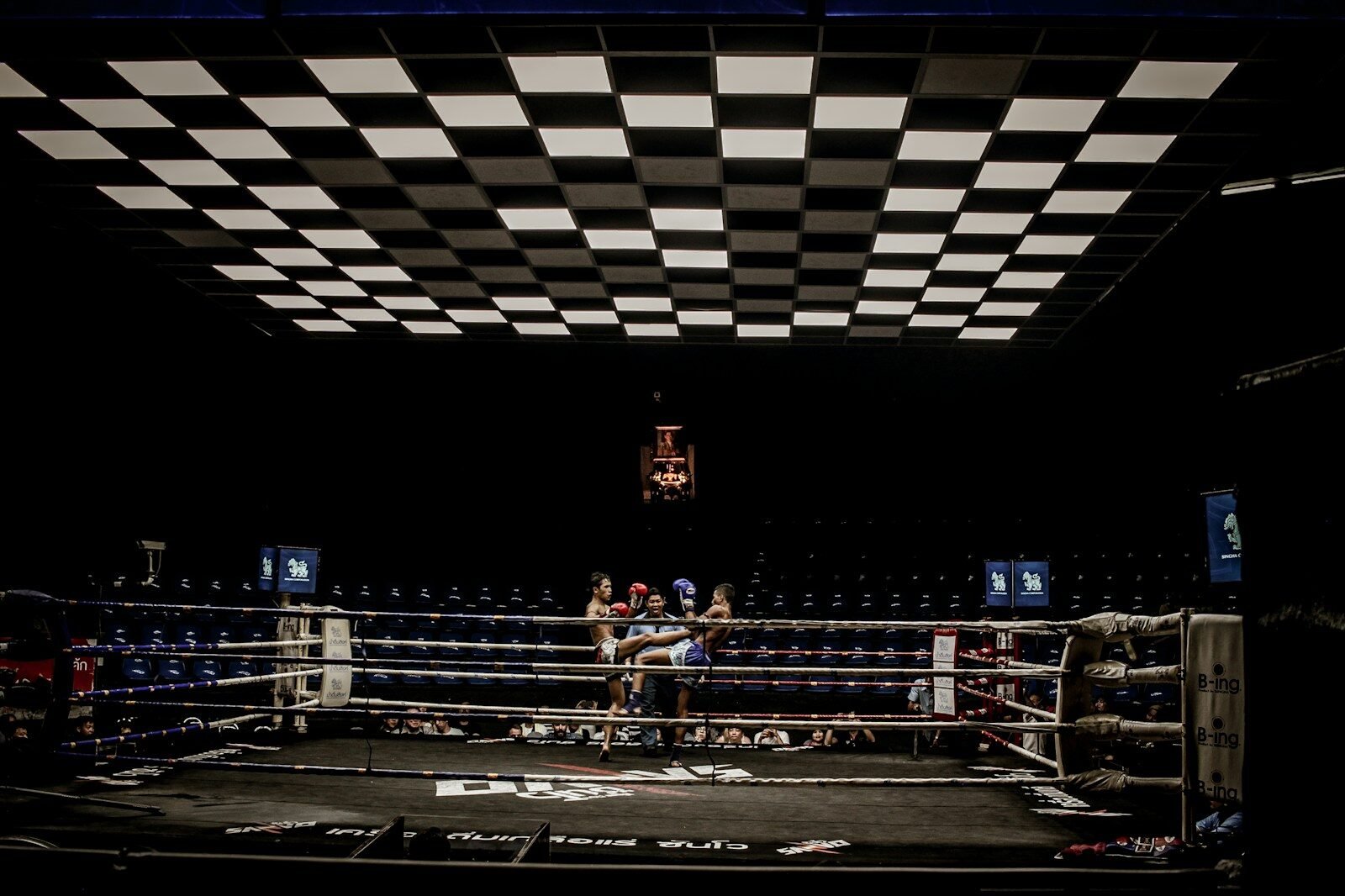
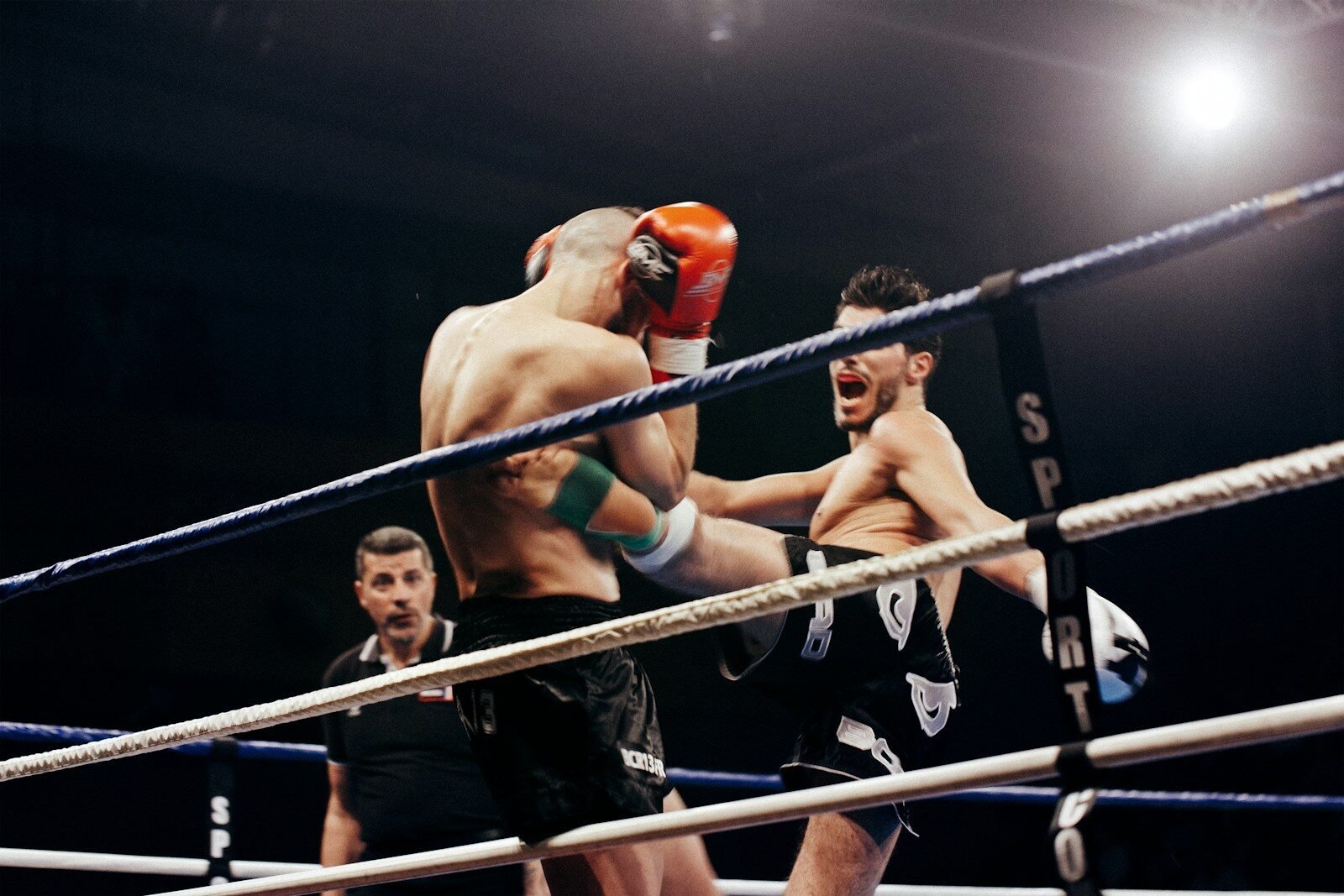
Boxing provides a foundation for hand combinations, head movement, footwork, and counterpunching. MMA striking adds kicks, knees, and other techniques allowed under the sport’s rules.
Distance management becomes especially important in MMA because fighters have more attacking options. Staying too close can expose an athlete to grappling, while staying too far away may allow an opponent to control the pace with kicks.
Good strikers therefore learn to manage range while constantly watching their opponent’s movement.
Wrestling and Takedowns
Wrestling is one of the most valuable skills in MMA. A fighter with strong wrestling can decide whether the fight remains standing or moves to the ground.
Takedowns can also be used strategically to exhaust an opponent. Defending repeated takedown attempts requires significant physical and mental effort.
Wrestlers often develop strong balance, explosive movement, body control, and conditioning. These qualities can be extremely useful in MMA.
Ground Fighting
Once an MMA fight reaches the ground, the competition changes completely.
Position becomes extremely important. Fighters may try to establish control, improve their position, escape from danger, or create opportunities for submissions.
Brazilian Jiu-Jitsu has played a major role in the development of modern MMA because it emphasizes ground control and submission techniques.
However, modern MMA requires fighters to combine grappling with other skills. A successful ground fighter must also understand how opponents use striking and wrestling to escape or attack.
Building a Strong Training Program
A good combat-sports training program should develop both technique and physical conditioning.
Beginners can start with basic movement, stance, balance, punching mechanics, and defensive skills. As they improve, they can gradually introduce more advanced combinations and controlled partner drills.
MMA athletes may divide training into striking, wrestling, grappling, strength, and conditioning sessions.
Recovery should also be part of the plan. Rest allows the body to adapt to training and helps athletes return to practice with better energy and concentration.
Nutrition and Weight Management
Nutrition can play an important role in combat-sports performance.
Athletes need enough energy to support demanding training sessions. A balanced diet containing appropriate amounts of protein, carbohydrates, healthy fats, vitamins, minerals, and fluids can support overall performance.
Weight-class sports also require careful weight management. Fighters should approach weight changes responsibly and ideally work with qualified professionals when preparing for competition.
Extreme or unsafe weight-cutting practices can negatively affect performance and health. Proper planning is therefore essential.
The Importance of Sparring
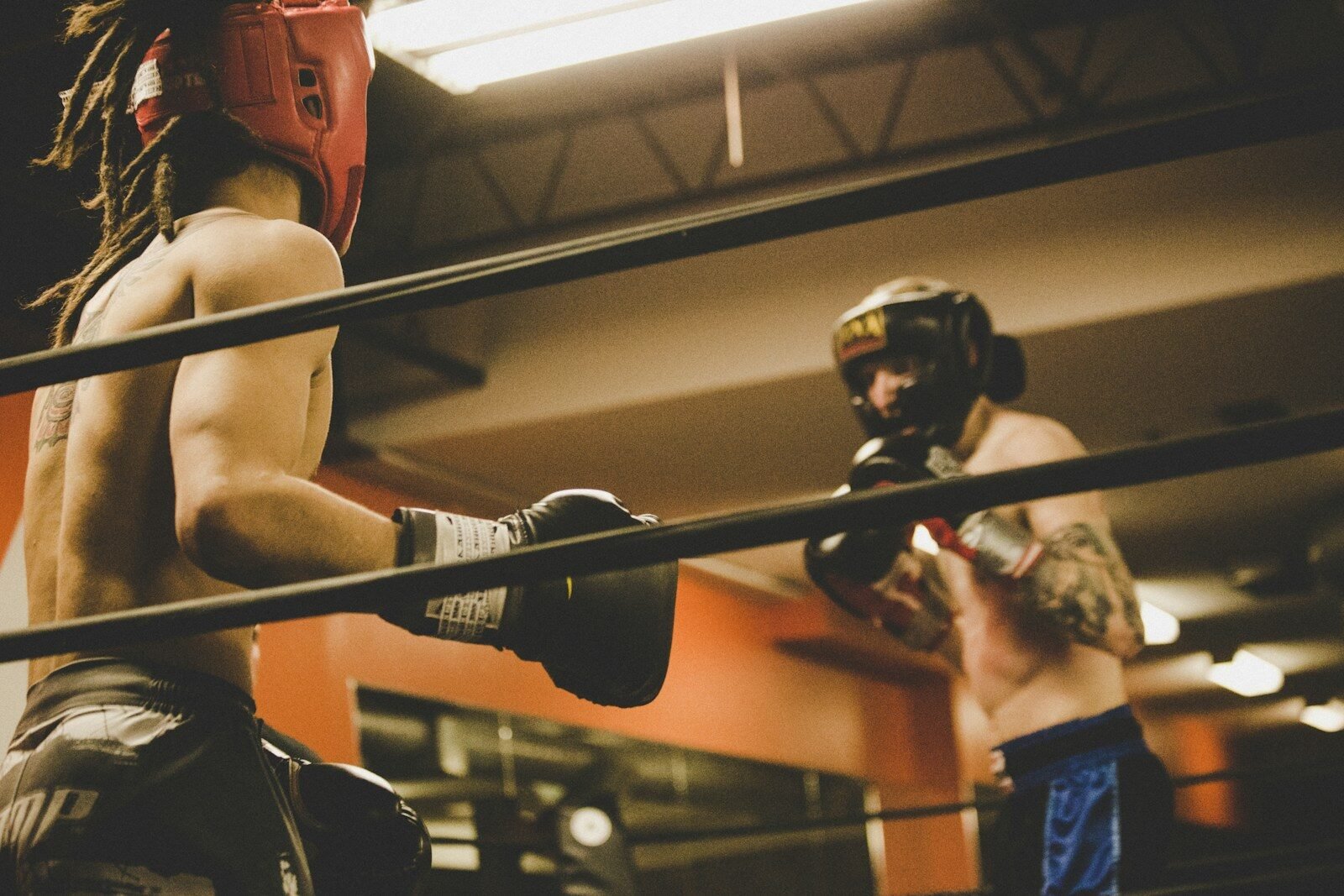
Sparring allows fighters to apply techniques against a moving opponent.
However, sparring should not simply become a test of who can hit harder. Technical and controlled sessions can help athletes develop timing, distance, defense, and decision-making.
Beginners should learn fundamentals before participating in intense contact. Experienced coaches can determine when an athlete is ready for more demanding training.
A positive gym culture should encourage respect between training partners. Fighters should understand that teammates are there to help each other improve.
Fight IQ and Tactical Thinking
Physical ability alone does not guarantee success.
Fight IQ refers to the ability to understand what is happening during competition and make effective decisions. A fighter may recognize that an opponent is tiring and adjust the pace. Another may notice that a particular punch is repeatedly creating an opening.
In boxing, tactical decisions may involve controlling distance, targeting the body, or forcing an opponent toward the ropes.
In MMA, strategy can include deciding when to strike, wrestle, grapple, or attempt to change position.
The ability to adapt during competition can be one of the most valuable qualities an athlete develops.
Mental Preparation
Fighting requires courage, but it also requires emotional control.
Before a competition, athletes may experience nervousness, excitement, or uncertainty. Learning to manage these emotions can improve performance.
Mental preparation can involve visualization, reviewing the game plan, maintaining confidence, and focusing on controllable factors.
A fighter also needs resilience after defeat. Losses can provide important lessons if athletes carefully review what went wrong and use those lessons to improve.
Choosing a Combat Sport
Someone interested in combat sports should consider their personal goals.
Boxing may be ideal for people who want to specialize in punching, movement, defense, and ring competition.
MMA may appeal to people who enjoy variety and want to learn striking and grappling together.
There is no universal answer about which sport is better. The right choice depends on individual interests, available coaching, fitness goals, and willingness to learn.
Combat Sports and Modern Media
The growth of digital media has changed how fans follow boxing and MMA. Fighters can now communicate directly with audiences through social platforms, interviews, podcasts, and video content.
Fans can watch training footage, study fight highlights, follow athlete announcements, and participate in online discussions.
Sports websites also play an important role by providing news, previews, analysis, rankings, and educational content. For a platform such as SportsNewsNBA, a dedicated Boxing & MMA category can give readers a place to explore combat sports alongside other sports coverage.
The Future of Boxing and MMA
The future of combat sports will likely involve continued international growth and increased digital engagement.
Young athletes can discover boxing and MMA through online videos and local training facilities. Meanwhile, professional fighters can build global audiences without relying entirely on traditional media.
Technology may also provide fans with better statistics, analysis tools, and viewing experiences.
Despite these changes, the foundation of combat sports will remain the same: hard work, technical skill, preparation, strategy, discipline, and determination.
Conclusion
Boxing and MMA offer unique challenges and rewards. Boxing requires fighters to master punching, movement, defense, timing, and ring intelligence. MMA demands a wider combination of striking, wrestling, grappling, and submission skills.
Both sports can develop physical fitness and mental discipline when practiced responsibly under proper coaching. For fans, they provide exciting competition and fascinating tactical battles.
As boxing and MMA continue to grow around the world, new generations of athletes will bring fresh styles, rivalries, and stories to combat sports. For readers interested in fight news, training, strategy, and the personalities behind the competition, the world of Boxing & MMA remains full of opportunities to learn and explore.


Leave a Reply