
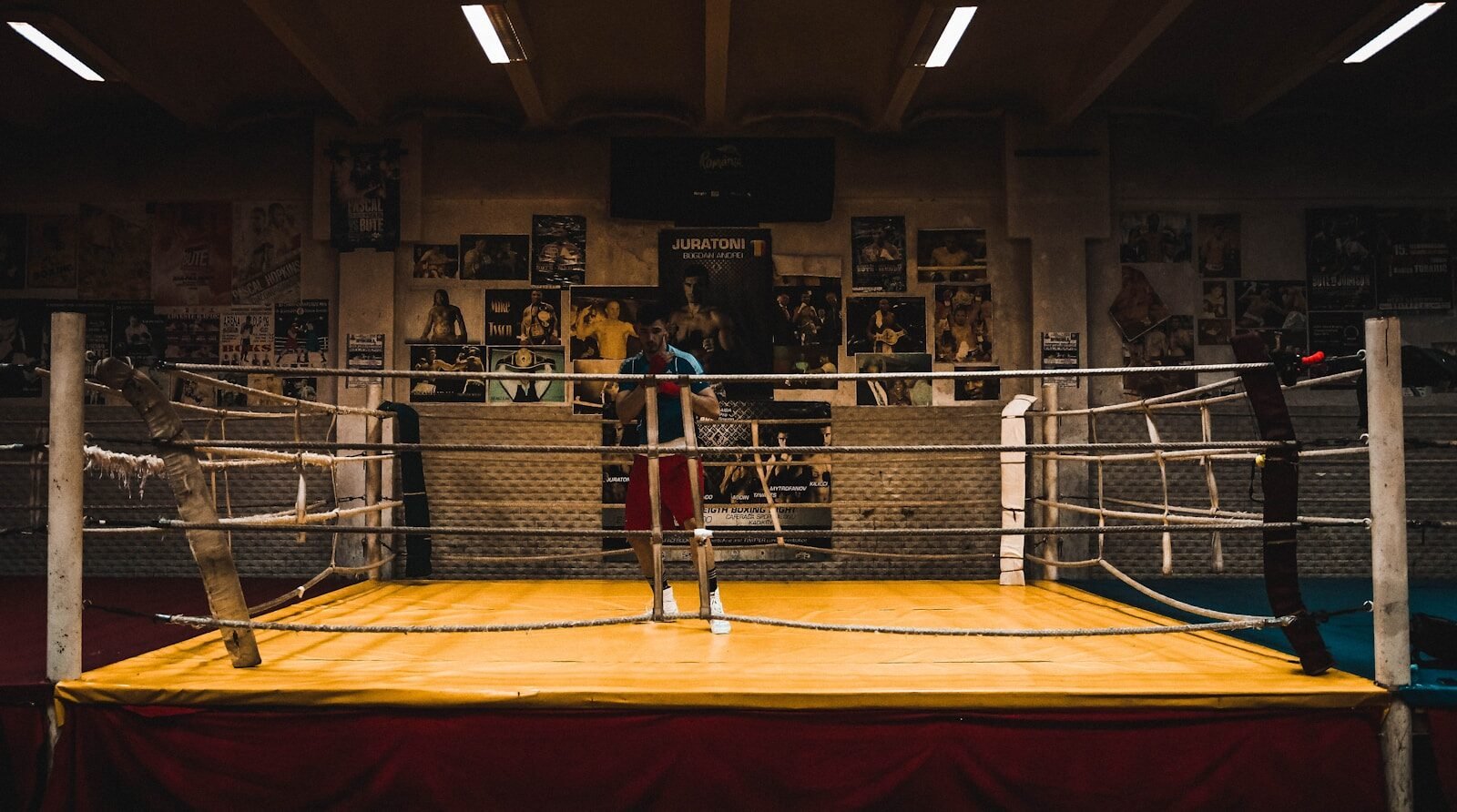
Boxing and Mixed Martial Arts (MMA) have become some of the most popular combat sports in the world. Both sports require exceptional physical fitness, technical ability, discipline, courage, and mental preparation. While boxing has a long traditional history, MMA has developed into a modern sport that brings together techniques from many different martial arts.
Today, fans follow fighters through television, streaming platforms, social media, podcasts, and sports websites. Major fights can generate worldwide attention, while local gyms continue to introduce new athletes to combat sports. Understanding the history, training, strategies, and culture behind boxing and MMA makes these sports even more exciting.
The History of Boxing
Boxing has roots that stretch back thousands of years. Ancient civilizations practiced forms of fist fighting, although the rules and equipment were very different from modern boxing.
Over time, boxing developed into a more organized sport. Rules were introduced to create structured competition and protect athletes. Modern boxing became especially popular during the nineteenth and twentieth centuries, producing legendary champions whose names remain famous among sports fans.
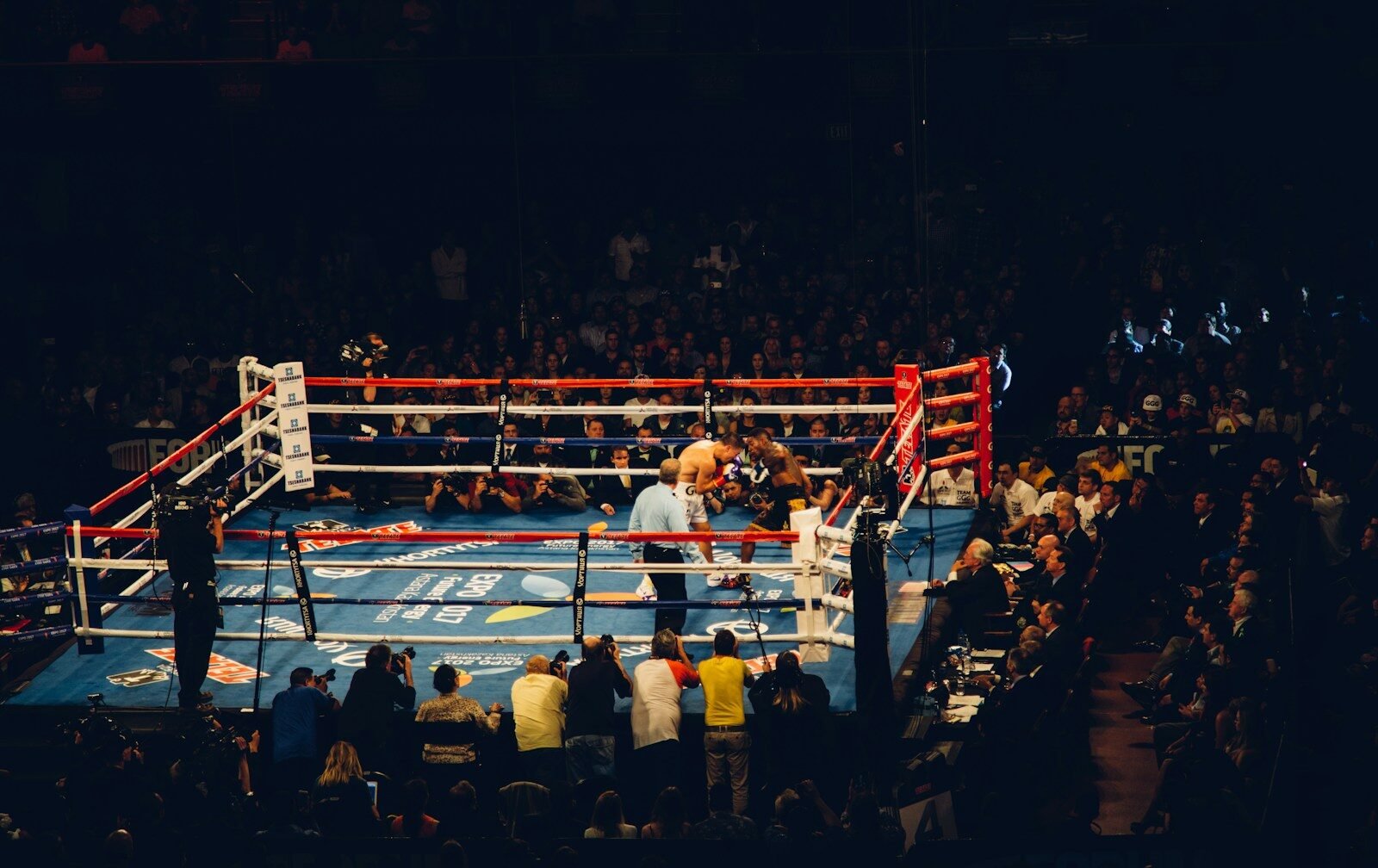
The basic objective has remained simple: two fighters compete using punches while attempting to score points or stop the opponent within the rules.
Despite its simple appearance, boxing is technically complex. Professional fighters spend years improving their footwork, timing, defense, combinations, and ring intelligence.
The Rise of MMA
MMA developed from the idea of determining how different martial arts would perform against one another. Early competitions helped demonstrate that no single discipline could cover every situation in a mixed combat environment.
Over time, MMA became more organized. Rules, weight classes, judging systems, medical standards, and professional training methods developed alongside the sport.
Modern MMA fighters typically train in several disciplines. Boxing and kickboxing help develop striking, wrestling provides takedown and control skills, and Brazilian Jiu-Jitsu teaches submissions and ground fighting.
The result is a sport where competitors must be prepared for almost every phase of combat.
Striking in Boxing and MMA
Striking is central to both sports, but the techniques are different.
Boxers can use punches, meaning they must become extremely skilled at creating openings with their hands. The jab is especially important because it can control distance, interrupt an opponent’s rhythm, and create opportunities for combinations.
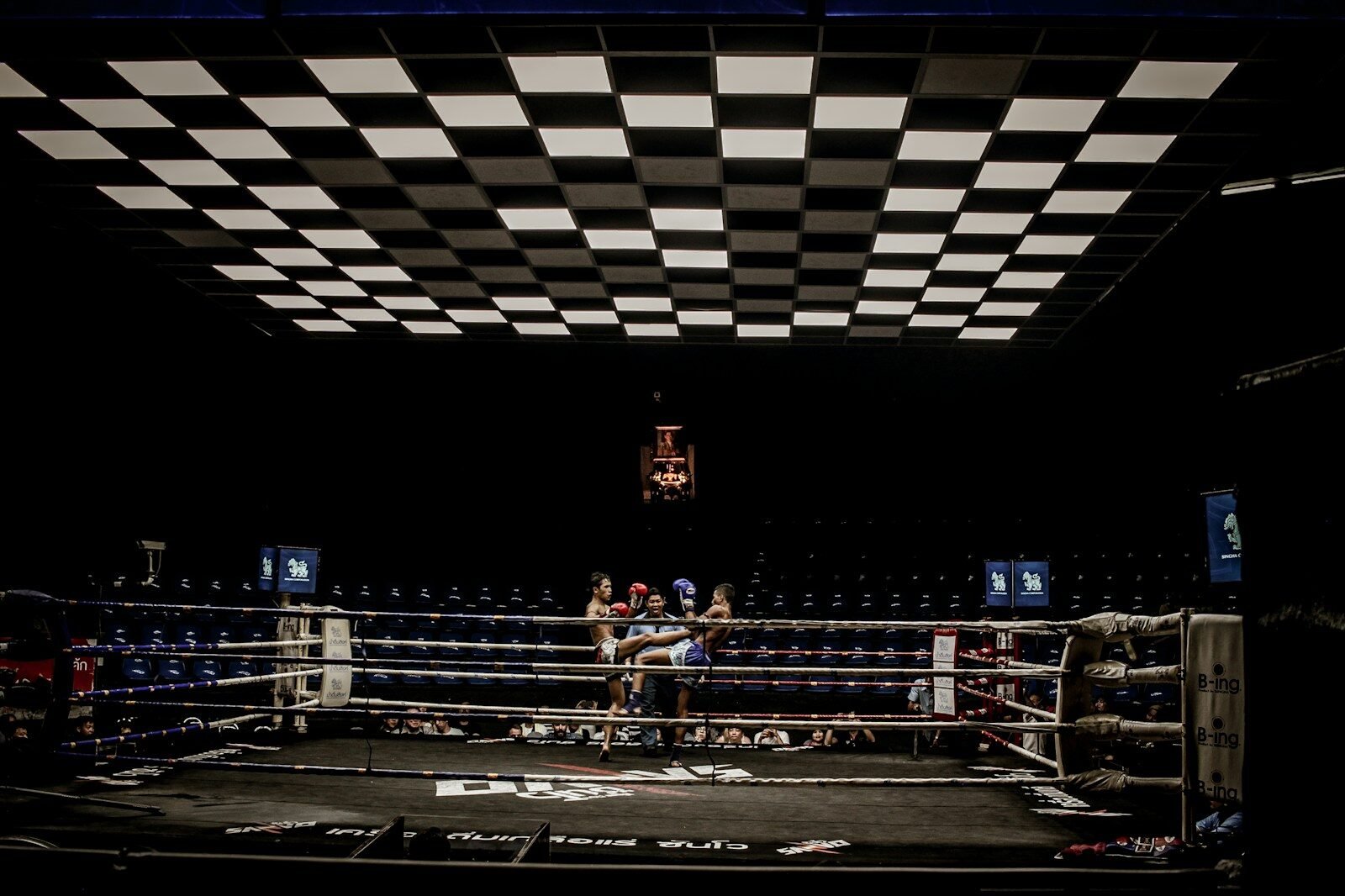
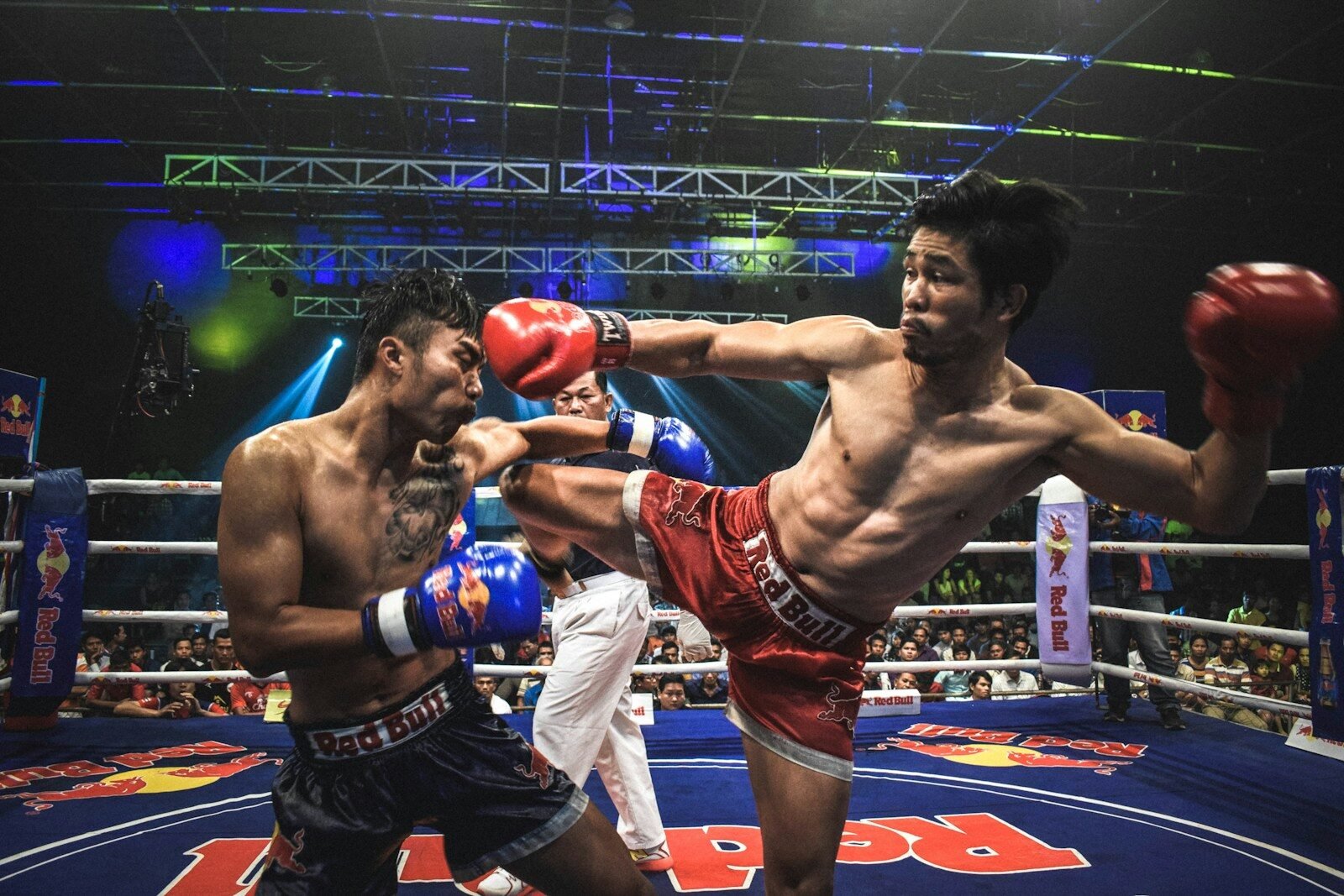
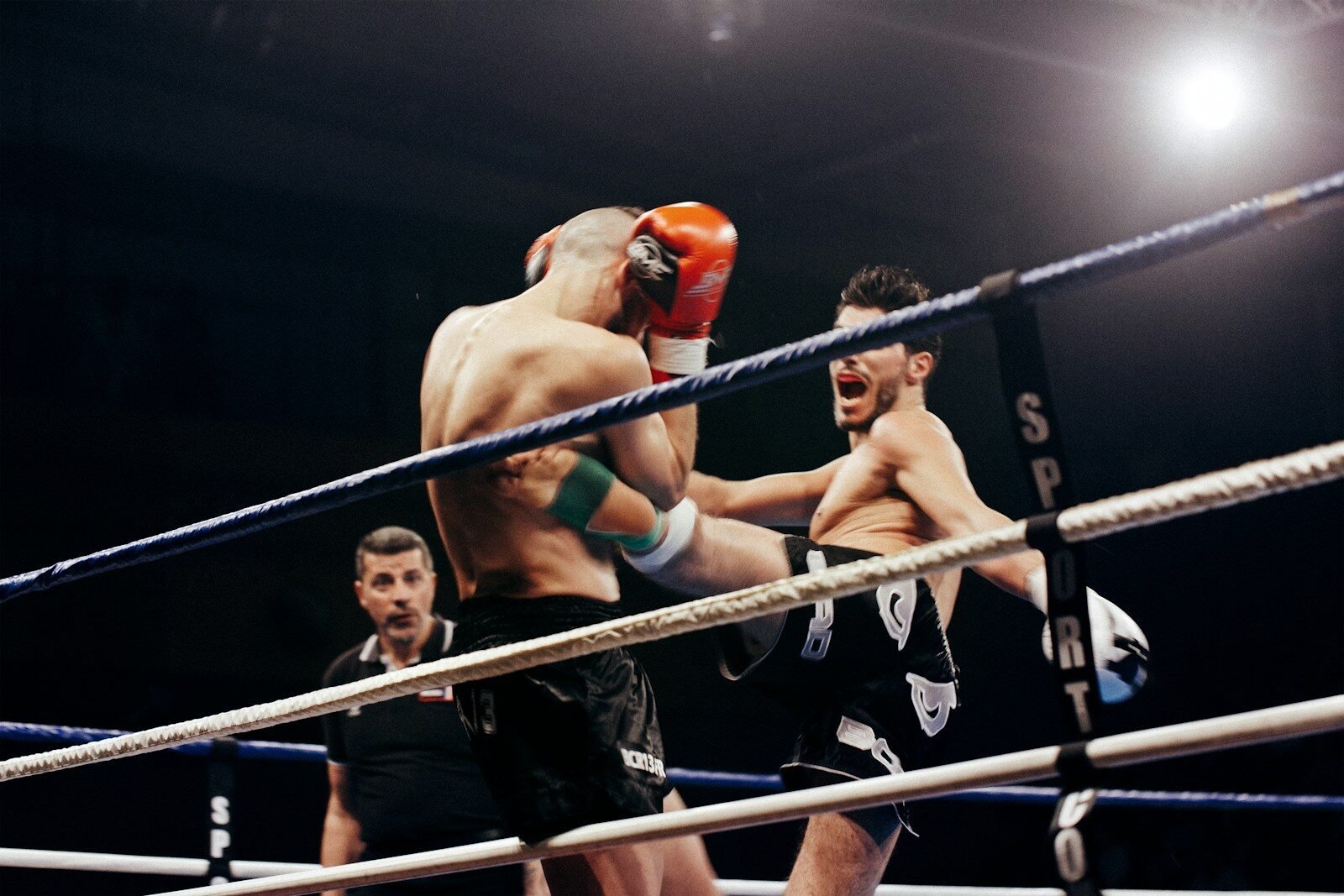
MMA striking includes punches but also kicks, knees, and other legal techniques depending on the rules. Fighters therefore have to consider attacks coming from different levels and angles.
An MMA fighter may use a low kick to reduce an opponent’s movement before attacking with punches. Alternatively, a combination can be used to force an opponent to defend while creating an opportunity for a takedown.
Wrestling and Grappling
One of the biggest differences between boxing and MMA is grappling.
Boxing does not include wrestling or submissions. Fighters remain standing and use punches, movement, and defensive techniques.
MMA allows competitors to take opponents to the ground. Wrestling can be used to control where the fight takes place. A strong wrestler may take a striker down and maintain top position.
Once the fight reaches the ground, submission skills become important. Fighters can attempt techniques designed to force an opponent to submit within the rules.
This creates a strategic battle where competitors must constantly think about both offense and defense.
Fight Preparation
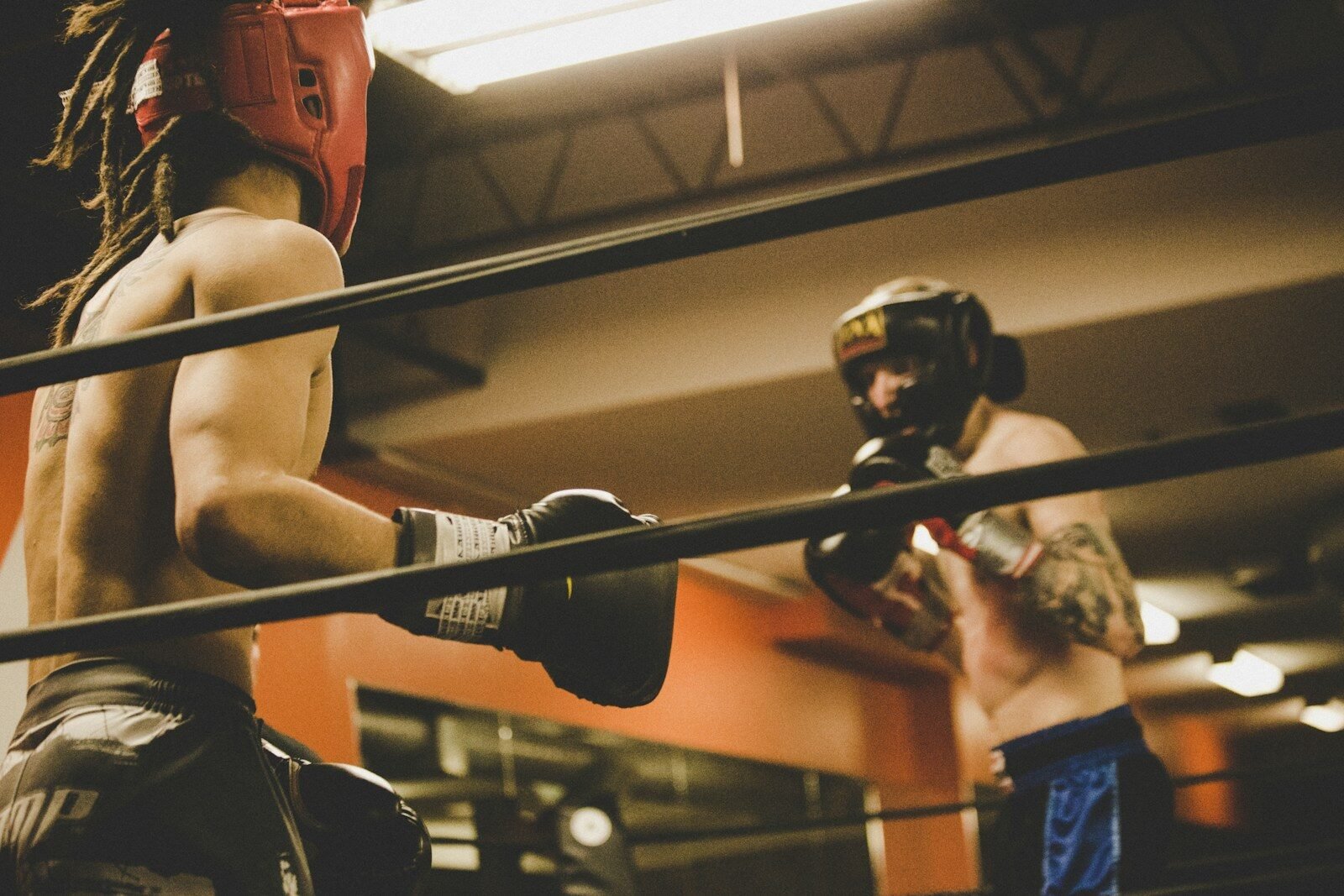
Professional fighters spend weeks or months preparing for major competitions. Training camps are usually designed around the specific opponent.
Coaches study previous fights to identify tendencies. They may examine how an opponent reacts to pressure, whether they prefer attacking or countering, and how they respond to different techniques.
Training partners can then help simulate those characteristics. For example, an MMA fighter preparing to face a strong wrestler may spend additional time practicing takedown defense and getting back to their feet.
Nutrition and weight management can also become important parts of preparation, particularly when athletes compete in specific weight classes.
The Importance of Conditioning
Combat sports require athletes to perform at high intensity while maintaining technical accuracy.
Boxers often develop cardiovascular endurance through running, skipping, bag work, pad work, and other conditioning exercises. They need enough stamina to continue moving and punching effectively throughout a fight.
MMA fighters face different physical demands because they may have to strike, wrestle, grapple, and scramble repeatedly. Strength and endurance are both important.
However, conditioning should support technical development rather than replace it. A physically strong fighter still needs good technique and tactical awareness.
Defensive Skills
Defense can be just as important as offense.
In boxing, defensive skills include slipping punches, blocking, parrying, rolling, stepping away, and controlling distance. A skilled boxer can reduce the number of clean punches received while creating opportunities for counterattacks.
MMA defense is broader. Fighters must defend punches, kicks, takedowns, submissions, and positional control.
Good defense can change the direction of an entire fight. A fighter who avoids unnecessary damage can preserve energy and remain dangerous later in the contest.
The Mental Side of Fighting
Combat sports test the mind as much as the body.
Fighters must manage nerves before competition and remain calm when an opponent attacks. A single mistake can change a fight, so concentration is essential.
Mental preparation often includes visualization, reviewing strategies, setting goals, and developing confidence.
Fighters also need resilience. Training can be difficult, and losses can be emotionally challenging. Successful athletes learn from setbacks instead of allowing them to end their development.
The Role of Coaches
A good coach can have a major influence on a fighter’s career.
Coaches teach technique, develop strategies, organize training sessions, and help athletes identify weaknesses. They also provide an outside perspective during difficult moments.
In professional MMA, a fighter may work with several specialized coaches. One coach might focus on striking, another on wrestling, and another on grappling.
Boxers may also work with strength and conditioning professionals, nutrition specialists, cutmen, and other members of a support team.
The Global Popularity of Combat Sports
Boxing and MMA have become global sports. Fighters from North America, Europe, Asia, Africa, South America, and other regions compete at professional and amateur levels.
The internet has helped international fans discover athletes who may previously have received limited exposure. Social media can turn a talented fighter into a global personality.
Major events also attract viewers who are interested in different fighting styles and national backgrounds. This international competition has helped make combat sports more diverse and competitive.
Boxing & MMA for New Athletes
Beginners should approach combat sports with patience.
The first goal should be learning fundamentals rather than immediately attempting difficult techniques. A reputable gym with experienced coaches can provide a safer and more productive environment.
New athletes should also understand that progress takes time. Punching correctly, moving efficiently, defending attacks, and understanding distance require repetition.
Consistency is usually more valuable than training extremely hard for a short period and then quitting. Gradual improvement allows athletes to build confidence and physical ability.
The Future of Boxing and MMA
Combat sports are likely to continue growing through digital media and international competition. Streaming, online analysis, social media, and athlete-created content have changed how fans discover fights.
Technology is also making fight analysis more accessible. Fans can watch previous performances, compare statistics, study techniques, and discuss strategies with other supporters around the world.
At the professional level, fighters are also becoming more involved in promoting themselves. A strong athletic performance combined with personality and digital presence can help an athlete attract a larger audience.
Conclusion
Boxing and MMA represent two fascinating sides of combat sports. Boxing offers deep specialization in punching, movement, defense, and ring strategy. MMA combines striking, wrestling, grappling, and submissions to create a broader competitive environment.
Both sports demand discipline, preparation, physical fitness, and mental toughness. They also teach valuable lessons about patience, resilience, and continuous improvement.
For sports fans, boxing and MMA provide endless opportunities to study fighters, strategies, rivalries, and historic moments. As combat sports continue to evolve, their combination of athletic competition, technical skill, and human determination will keep attracting new athletes and fans around the world.


Leave a Reply