
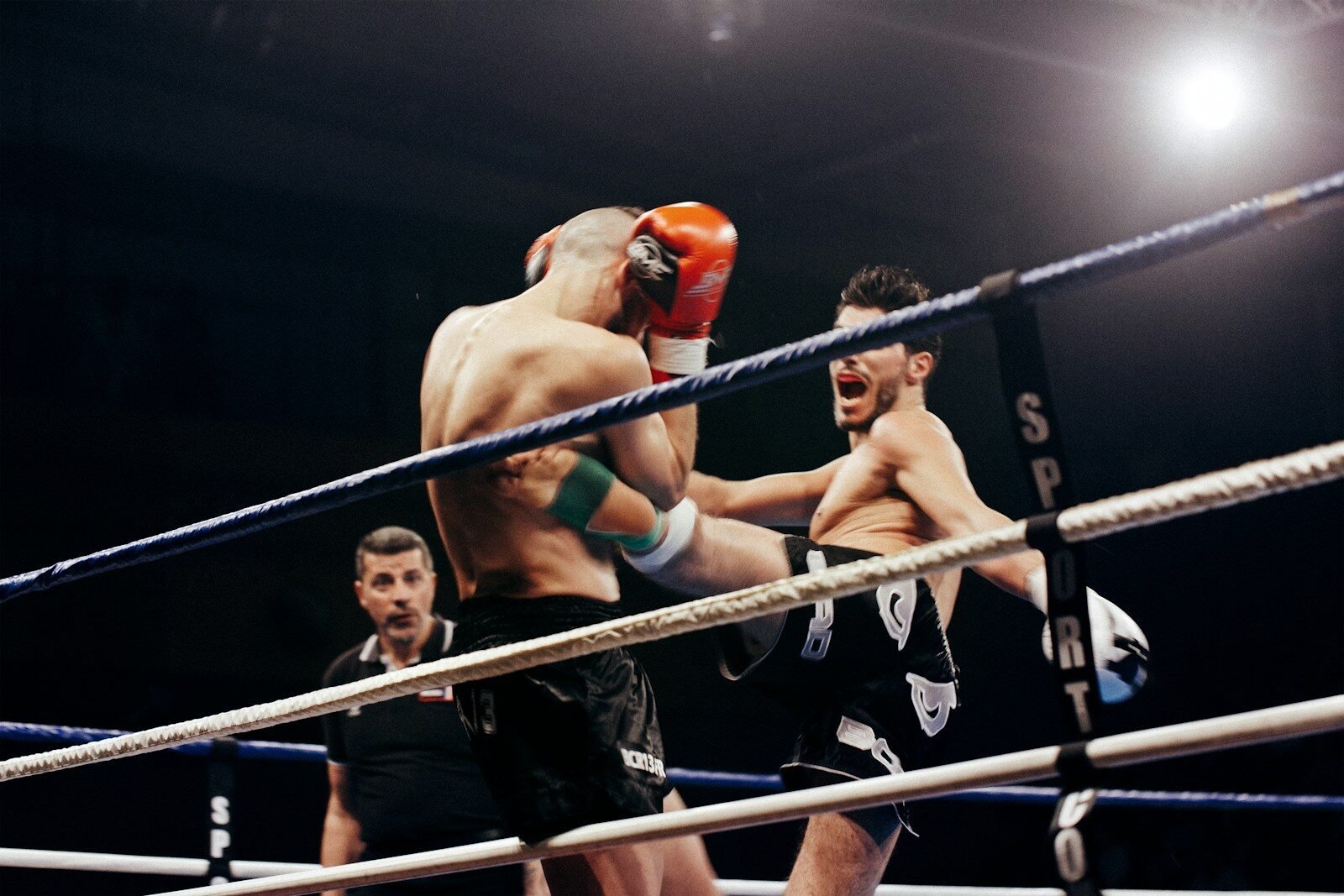
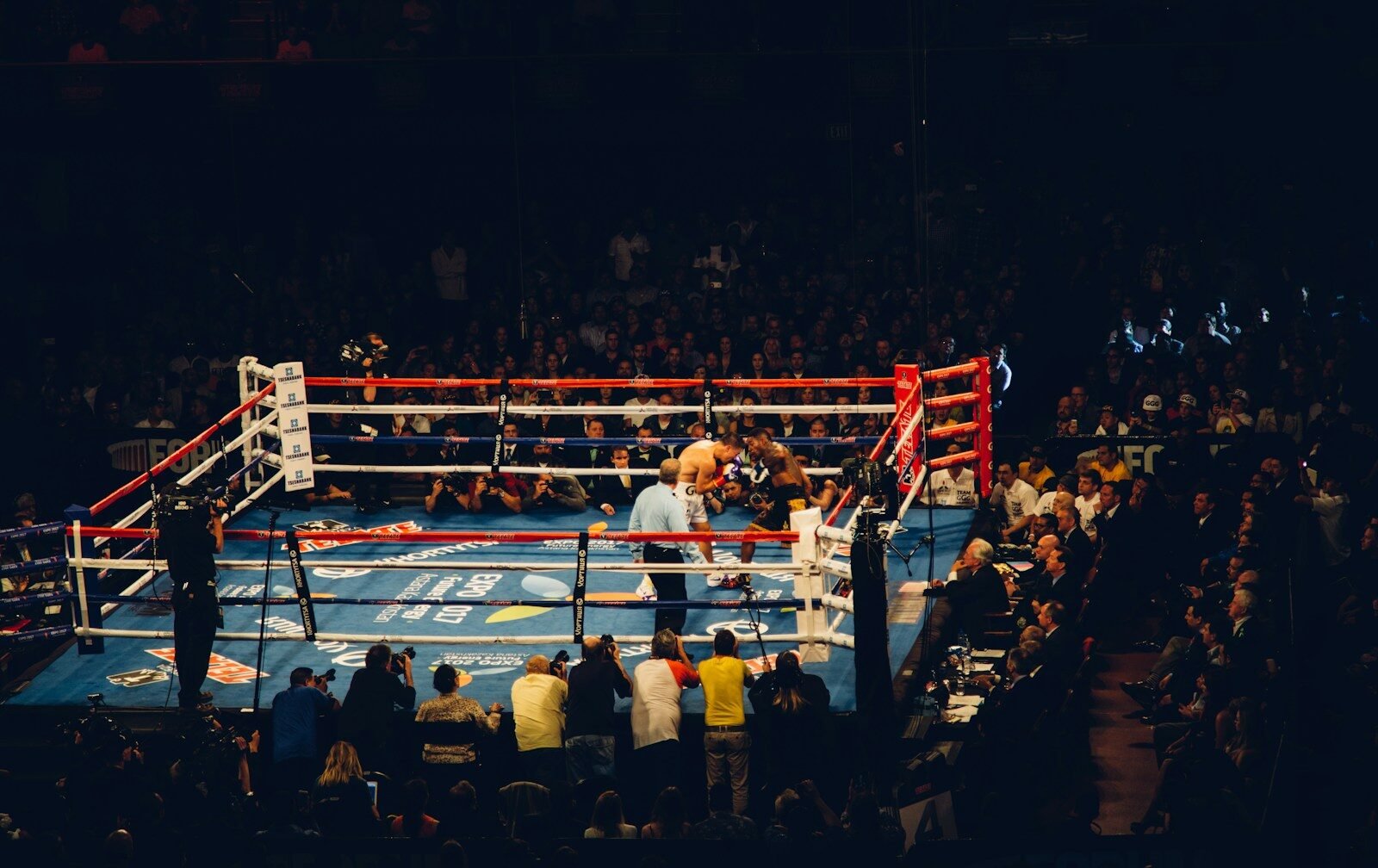
Boxing and Mixed Martial Arts (MMA) continue to attract millions of fans around the world. These sports combine athletic ability, technical skill, mental strength, discipline, and strategy. Although boxing and MMA are both combat sports, they have very different rules, techniques, training methods, and competitive styles.
For sports fans, understanding these differences makes every fight more interesting. For beginners, learning the fundamentals can help them choose the right training path. Whether someone dreams of becoming a professional fighter or simply wants to improve fitness, boxing and MMA provide challenging and rewarding opportunities.
Understanding the Fundamentals of Boxing
Boxing is centered around punching. Fighters use techniques such as the jab, cross, hook, uppercut, body shot, and combinations to attack their opponents. At the same time, they must use defensive skills such as blocking, slipping, rolling, parrying, and footwork.
One of the most important lessons in boxing is that power alone does not win fights. Timing and accuracy can be just as important as strength. A fighter who understands distance can land clean punches while avoiding unnecessary exchanges.
Footwork is another essential part of boxing. Fighters constantly move around the ring to create angles, control distance, and avoid attacks. Experienced boxers can make their opponents miss while positioning themselves for effective counterattacks.
The Complete Skill Set of MMA
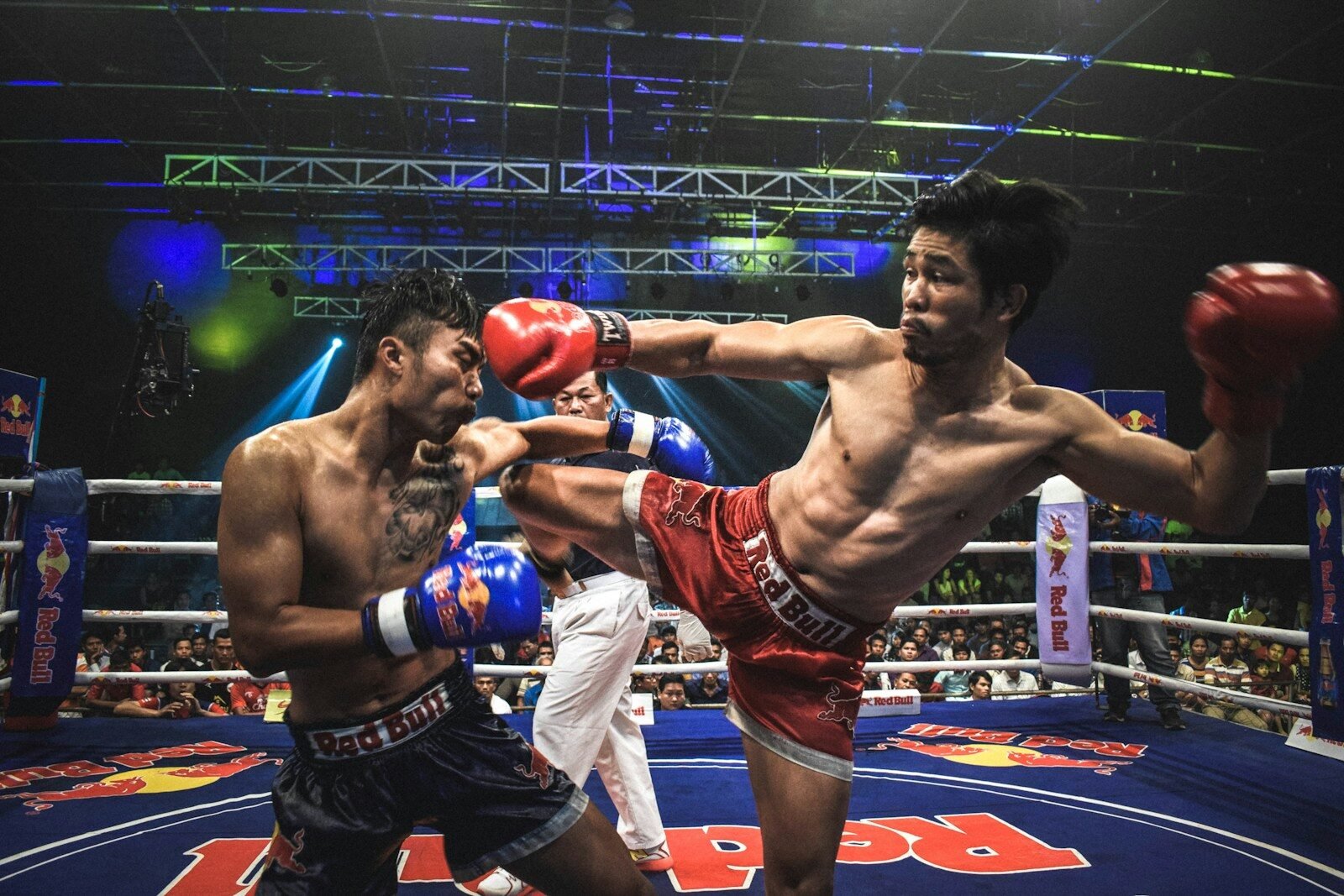
MMA is much broader than boxing because fighters can use techniques from several martial arts. Striking may include boxing, kickboxing, and Muay Thai, while grappling can involve wrestling, Brazilian Jiu-Jitsu, judo, and other disciplines.
An MMA fighter must be prepared for different situations. A fight can take place at long range, in a clinch, against the cage, or on the ground. Because of this, MMA fighters spend considerable time developing multiple areas of their game.
A strong MMA fighter does not necessarily need to be the best pure striker or wrestler. Instead, the goal is often to combine different skills effectively. A fighter may use striking to create a takedown opportunity or use wrestling to prevent an opponent from using powerful kicks.
The Role of Strategy
Strategy is one of the most fascinating aspects of combat sports. Before a major fight, athletes and coaches study opponents carefully. They look for habits, weaknesses, preferred techniques, movement patterns, and defensive tendencies.
In boxing, a fighter might develop a strategy based on controlling distance with the jab. Another boxer may choose to pressure forward and attack the body.
MMA strategy can be even more complex. A fighter might attempt to keep the fight standing against a strong grappler, while another competitor may actively seek takedowns against a dangerous striker.
The best fighters are often able to change their strategy during the fight. If an original plan is not working, they must recognize the problem and adapt quickly.
Training Like a Combat Athlete
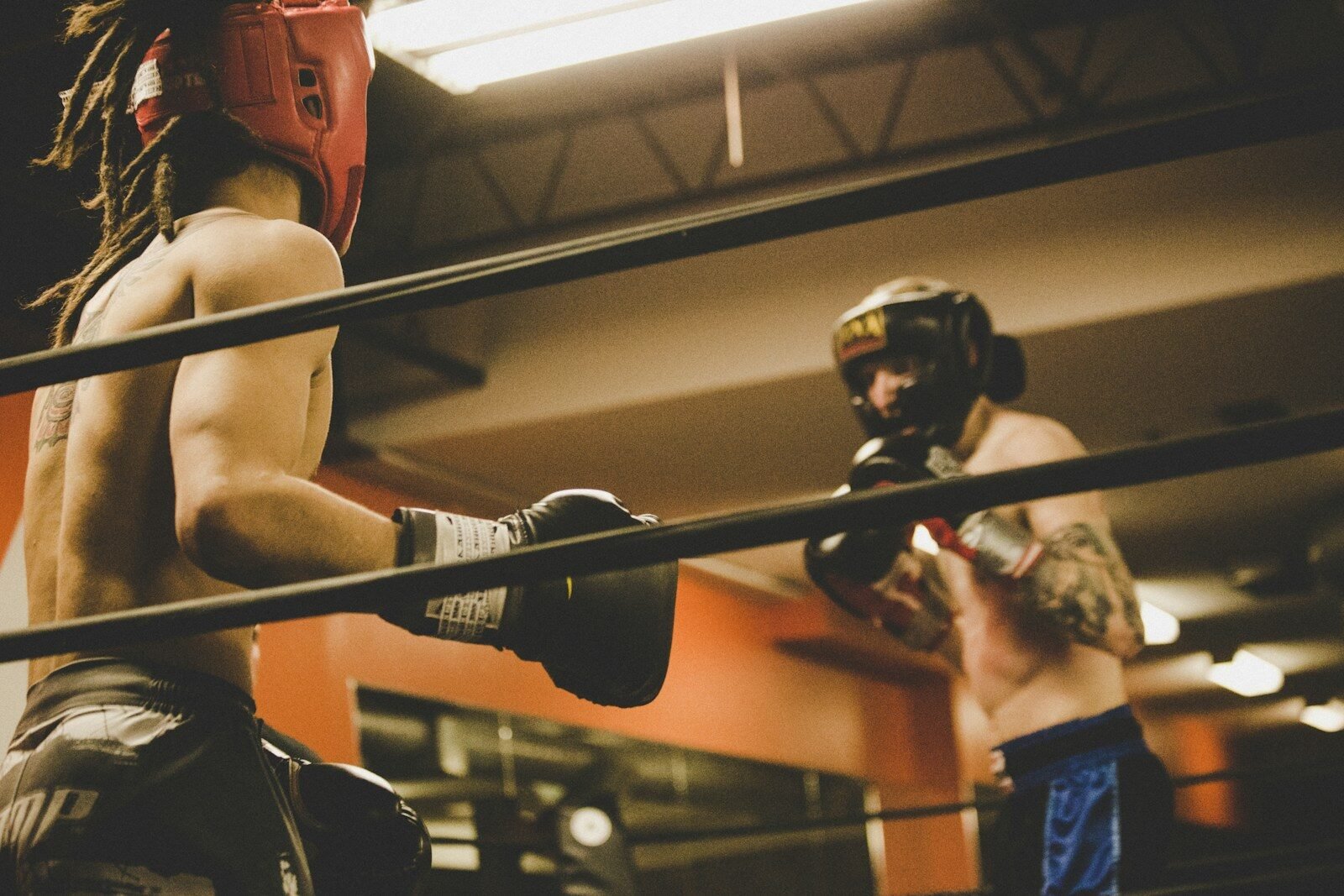
Combat-sports training involves much more than hitting a bag. A typical training program can include technical drills, conditioning, strength training, mobility work, pad work, shadowboxing, wrestling drills, and controlled sparring.
Boxers often spend significant time working on combinations and movement. They may use a heavy bag to develop punching technique and conditioning, while focus mitts can improve accuracy and timing.
MMA athletes need a wider training schedule. They may practice wrestling in one session, striking in another, and Brazilian Jiu-Jitsu or submission techniques later in the week.
Recovery is also extremely important. Training too hard without adequate rest can reduce performance and increase the possibility of injury. Professional fighters therefore pay close attention to sleep, nutrition, hydration, and recovery.
Mental Strength in Combat Sports
Physical preparation is only one part of becoming a successful fighter. Mental strength is equally important.
Fighters must remain calm under pressure. During competition, adrenaline can make it difficult to think clearly. The ability to stay focused and follow a game plan can separate experienced athletes from beginners.
Confidence is also important, but excessive confidence can become a weakness. Successful fighters usually respect their opponents while trusting their own preparation.
Losing is another part of combat sports. Even elite athletes experience defeats. What matters is how they respond afterward. Reviewing mistakes, improving weaknesses, and returning to training can help fighters become stronger competitors.
Boxing and MMA for Fitness
People do not need to become professional fighters to benefit from combat-sports training. Boxing workouts can provide excellent cardiovascular exercise while improving coordination and movement.
MMA training can provide a full-body workout involving striking, wrestling, grappling, and conditioning. These activities can challenge the arms, legs, shoulders, back, and core.
Combat-sports workouts can also be enjoyable because they constantly introduce new challenges. Instead of performing the same gym routine every day, participants can learn combinations, practice defensive movements, work with training partners, and develop new skills.
Beginners should always start at an appropriate level and gradually increase training intensity.
Choosing Between Boxing and MMA
Choosing between boxing and MMA depends on personal goals.
Boxing may be a better option for someone who wants to specialize in punching, footwork, defense, and traditional ring competition. It allows athletes to spend years developing a highly specialized striking skill set.
MMA may be better for someone who wants to learn both striking and grappling. It offers greater variety but also requires athletes to learn more techniques.
Some people eventually train both. Boxing can improve an MMA fighter’s hands, while wrestling and grappling can add useful skills to a boxer interested in expanding into other combat sports.
The Growth of Combat Sports Media
The way fans consume boxing and MMA has changed dramatically. Traditional television remains important, but digital platforms have created new ways for fans to follow fighters and events.
Social media allows athletes to build personal brands and communicate directly with supporters. Podcasts, interviews, training videos, documentaries, and short-form clips can give fans a closer look at fighters outside the competition.
This has also created opportunities for sports websites such as SportsNewsNBA to cover combat sports from different angles. News, fight previews, analysis, rankings, training stories, interviews, and historical features can all help readers understand the larger world of boxing and MMA.
The Importance of Responsible Training
Safety should always be a priority in combat sports. Beginners should train under qualified supervision and learn proper technique before participating in hard sparring.
Protective equipment can be important depending on the type of training. Gloves, hand wraps, mouthguards, head protection where appropriate, and other equipment can help create a safer training environment.
Training partners should also communicate with each other. Sparring should generally be controlled and focused on improvement rather than simply trying to hurt the other person.
A good gym should encourage discipline, respect, and technical development.
The Future of Boxing and MMA
The future of combat sports looks increasingly global and digital. Fighters from different countries can build international fan bases, while major events attract audiences from around the world.
Technology is also changing how fans analyze fights. Statistics, video breakdowns, digital broadcasts, and social-media discussions allow viewers to study fights more closely than ever.
At the same time, younger athletes have more opportunities to discover combat sports through online content. Training footage and amateur competitions can help new fighters gain attention and develop their careers.
As the sports continue to evolve, the fundamentals will remain important: discipline, preparation, technique, strategy, and respect.
Conclusion
Boxing and MMA are demanding sports that require dedication from both the body and mind. Boxing focuses on mastering punches, movement, defense, and ring strategy, while MMA combines striking, wrestling, grappling, and submissions into a more diverse competitive system.
For fans, these sports offer exciting fights and fascinating strategies. For athletes, they provide opportunities to develop fitness, confidence, discipline, and technical ability.
Whether you are interested in professional competition, fitness, or simply following the latest fights, boxing and MMA offer something for everyone. With proper coaching, consistent training, responsible preparation, and a willingness to learn, beginners can start their journey into the exciting world of combat sports.





Leave a Reply