

Boxing and Mixed Martial Arts (MMA) have become major parts of the global sports industry. Both sports demand strength, speed, discipline, courage, and excellent preparation. They also offer fans exciting competition, dramatic rivalries, championship battles, and memorable athletic performances.
Although boxing and MMA are often discussed together, they are very different sports. Boxing is highly specialized around punching, while MMA combines techniques from several combat disciplines. Understanding these differences can help beginners choose a sport, while giving fans a better understanding of what happens during a professional fight.
Boxing: A Sport Built Around Precision
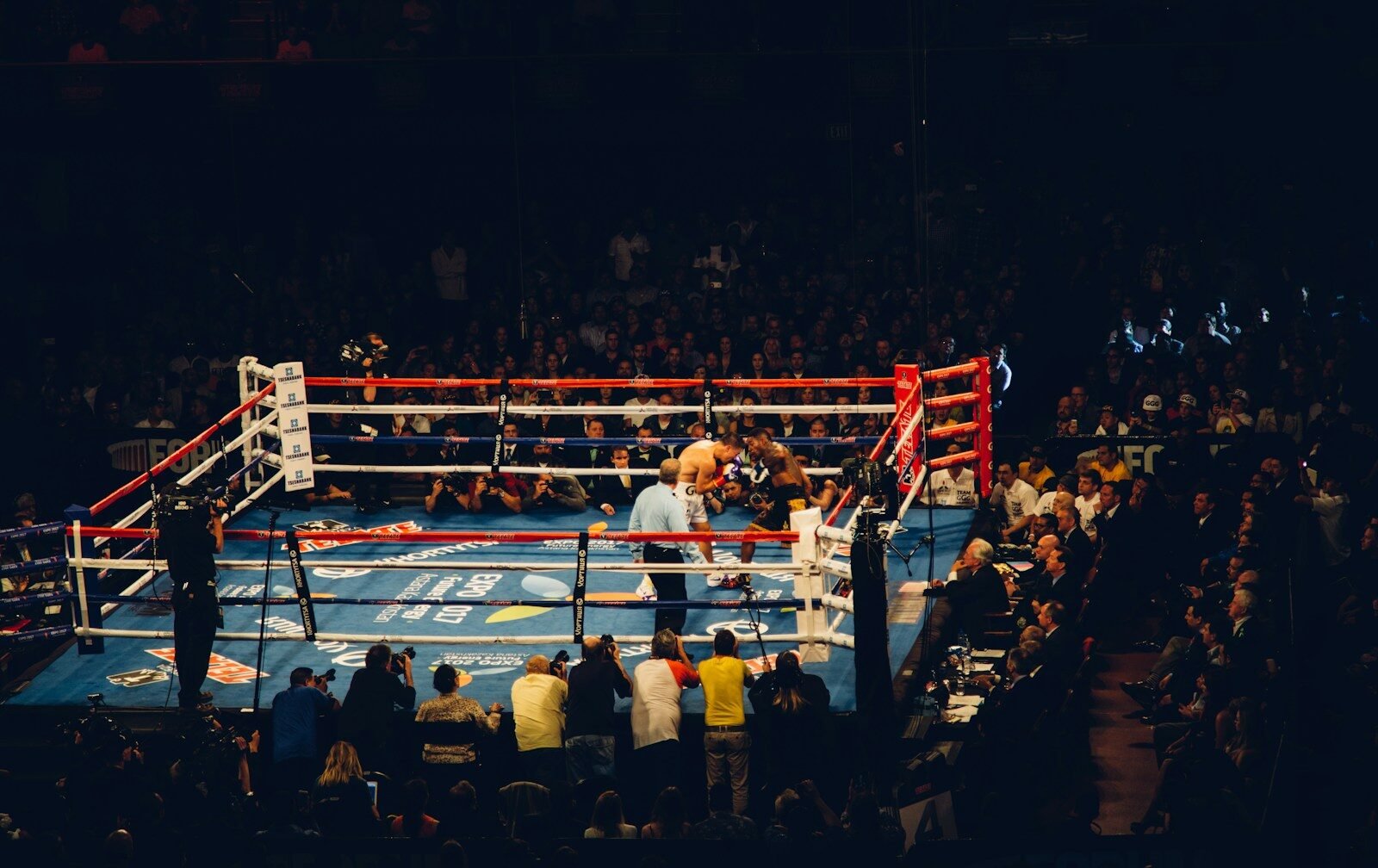
Boxing is based on a relatively simple concept: two competitors use punches while following a structured set of rules. However, the simplicity of the rules hides the technical complexity of the sport.
A boxer must develop a strong stance, efficient footwork, accurate punching, defensive movement, timing, and ring awareness. The jab is often used to establish distance and create openings, while combinations can force opponents to defend multiple attacks.
Power is useful, but it is not everything. A technically skilled boxer can use timing and accuracy to defeat a stronger opponent. Defense is also critical because avoiding unnecessary punches helps preserve energy throughout a fight.
MMA: A Complete Combat System
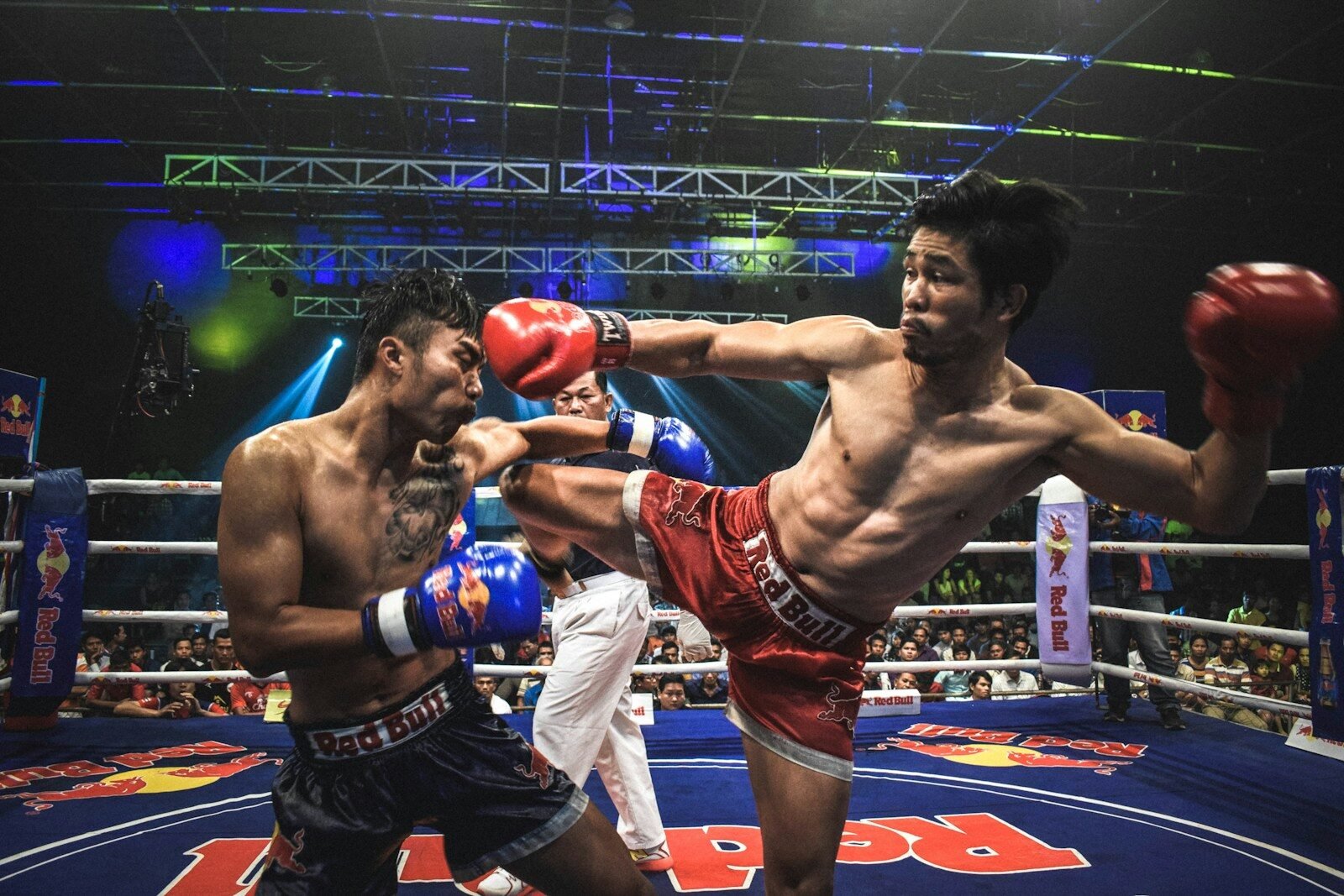
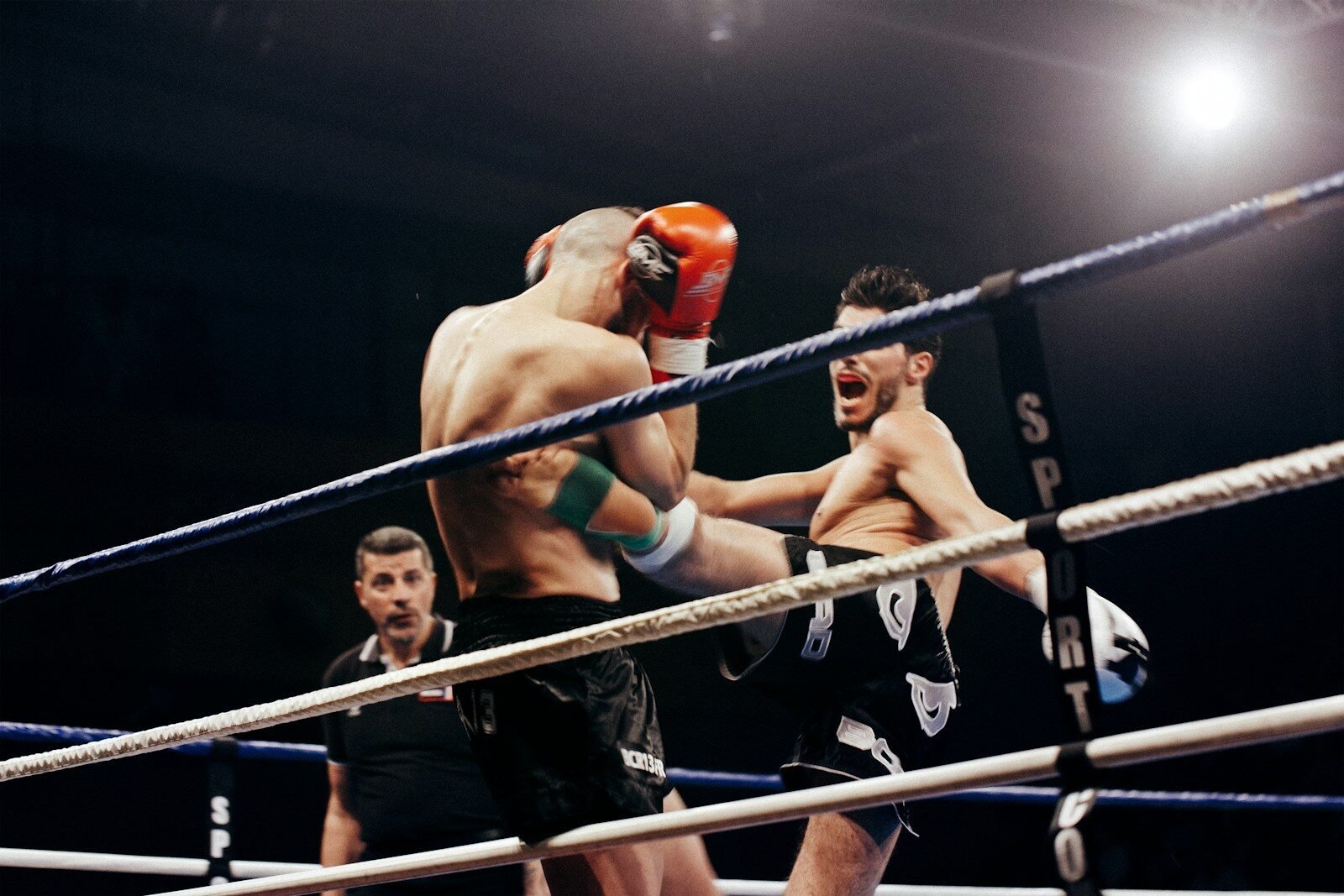
MMA combines several fighting styles into one competitive sport. Fighters can use punches, kicks, wrestling, clinching, ground control, and submissions within the rules.
Because the fight can move between different positions, MMA athletes need a broad technical foundation. A fighter who is excellent at striking but cannot defend takedowns may struggle against a strong wrestler. Similarly, a grappler must develop enough striking ability to enter safely against an experienced striker.
Modern MMA is therefore about integration. Fighters learn how different techniques work together rather than treating each martial art as a completely separate skill.
The Importance of Footwork
Footwork is one of the most underestimated aspects of combat sports.
In boxing, proper movement helps a fighter control distance and create angles. Moving efficiently can make an opponent miss while placing the boxer in a better position to counterattack.
MMA footwork is slightly more complicated because fighters must consider kicks and takedowns. Standing too square can make certain attacks easier for an opponent, while poor movement can create opportunities for wrestling.
Good footwork allows fighters to attack without remaining in dangerous positions.
Speed and Timing
Speed can be an important advantage, but timing can sometimes be even more valuable.
A fighter who understands when an opponent is likely to attack can counter effectively. Instead of simply throwing punches quickly, experienced fighters look for moments when their opponent’s defense is weaker.
Timing develops through repetition, technical drills, sparring, and experience. It cannot be created overnight.
This is why professional fighters often spend years practicing seemingly simple movements. Small improvements in timing and positioning can make a major difference during competition.
Strength and Conditioning
Combat athletes need a carefully designed physical-training program.
Boxers may use running, jump rope, bag work, mitt drills, bodyweight exercises, and strength training to develop endurance and explosiveness.
MMA fighters have additional conditioning demands because they may need to wrestle, grapple, strike, and scramble during the same competition.
Strength training can help develop power and physical resilience, while cardiovascular conditioning helps athletes maintain performance as fatigue increases.
However, conditioning should be designed around the athlete’s sport. More training is not always better if it interferes with technical development or recovery.
The Role of Recovery
Recovery is a major part of athletic performance.
Hard training places stress on the muscles, joints, nervous system, and overall body. Adequate sleep, nutrition, hydration, rest days, and appropriate recovery strategies can help athletes maintain consistency.
Professional fighters often have demanding schedules, but training quality is more important than simply accumulating hours in the gym.
A tired athlete may perform techniques poorly, increasing the possibility of mistakes and injury. Smart training therefore balances workload and recovery.
Fight Strategy in Boxing
Boxing strategy can vary dramatically between fighters.
A pressure fighter may constantly move forward and attempt to force an opponent into exchanges. A counterpuncher may prefer to wait for an opponent to attack and then respond.
Some boxers focus heavily on body punching, while others use their jab to control the fight from long range.
Ring positioning is another important factor. Fighters who understand how to control space can make opponents fight at uncomfortable distances.
The best boxers often have multiple strategies and can adjust during the fight.
Fight Strategy in MMA
MMA strategy is more complicated because fighters must account for multiple forms of attack.
A striker may try to maintain distance and prevent takedowns. A wrestler may pressure forward and attempt to bring the fight to the ground. A well-rounded fighter may constantly switch between striking and grappling.
Cage positioning can also influence the fight. A fighter with their back against the cage has fewer movement options, while the opponent may use the cage to assist with control.
Because of these factors, MMA fighters and coaches often create detailed game plans before competitions.
Developing Fight IQ
Fight IQ is the ability to understand a fight and make effective decisions under pressure.
A fighter with good physical abilities may still struggle if they make poor tactical decisions. On the other hand, an athlete with excellent fight awareness can use positioning and timing to maximize their strengths.
Fight IQ develops through experience, studying opponents, watching previous fights, and learning from coaches.
It also involves recognizing when to change strategy. If a fighter’s original approach is not working, they must adapt rather than repeating the same mistake.
Mental Toughness
Combat sports require significant psychological preparation.
Athletes know that they will face pressure, fatigue, discomfort, and uncertainty. Remaining focused during those moments can be extremely challenging.
Mental toughness does not mean ignoring fear. Instead, it involves learning how to manage emotions and continue executing the plan.
Confidence can be developed through preparation. When fighters know they have trained consistently and prepared for different situations, they may enter competition with greater belief in their abilities.
Building a Career in Combat Sports
Professional fighters usually spend years developing their skills before reaching major organizations.
Beginners may start with recreational classes before moving into amateur competition. As they gain experience, they can build records and develop relationships with coaches and training teams.
Career development also involves factors outside the fight itself. Professional athletes may need to manage media appearances, sponsorships, social-media activity, travel, and recovery.
Today, a fighter’s public profile can be almost as important for career opportunities as their performance inside the ring or cage.
The Growing Role of Fans and Digital Media
Combat sports have benefited greatly from social media.
Fans can follow fighters between competitions, watch training clips, hear interviews, and discuss upcoming events. Athletes can build personal brands and connect directly with supporters.
Sports websites also provide important coverage. Fight previews, results, rankings, interviews, analysis, and historical stories help fans stay informed.
For SportsNewsNBA, a Boxing & MMA category can attract readers who want broader sports content while giving combat-sports fans dedicated coverage of fighters, events, and trends.
Boxing and MMA for Beginners
Anyone considering combat-sports training should start with a reputable gym and qualified coaching.
Beginners should focus on fundamentals rather than trying advanced techniques immediately. Learning proper stance, movement, basic strikes, defense, and conditioning creates a foundation for future progress.
MMA beginners may gradually introduce wrestling and grappling after developing basic striking skills. The process should be controlled and appropriate for the athlete’s experience level.
Safety should remain a priority throughout training.
Conclusion
Boxing and MMA are challenging sports that combine athletic ability with strategy and discipline. Boxing offers deep specialization in punching, movement, timing, and defense, while MMA requires fighters to combine striking, wrestling, grappling, and submissions.
Successful fighters are rarely defined by one skill alone. They succeed through preparation, adaptability, conditioning, technical development, mental strength, and intelligent coaching.
As combat sports continue to grow internationally, fans will continue to discover new athletes, exciting matchups, and innovative fighting styles. Whether you are a beginner, dedicated athlete, or passionate fan, Boxing & MMA provide a fascinating world of competition, strategy, and human determination.






Leave a Reply